


Baillie Tartan
Discover Baillie tartan kilts, fabric, scarves, ties and sashes in a choice of colourways, all made to order.
Acrylic Yarn · Machine Washable
200+ products
from
—
 Baillie Tartan
Right for you if
you want a formal Highland kilt that reads correctly at any event — weddings, Burns Nights, regimental dinners. The canonical, safest choice.
Fabric per Yard
Minimum order is 10 yards.
+
Full specification
Material
Dispatch
Community
No tartan variants found for this collection.
Each Tartan metaobject needs choose_collection set to Baillie.
Step 2 · Choose your product
Products in Baillie
Every item below is woven in the variant you selected above. Switch the variant at any time — the catalogue rebuilds in place.
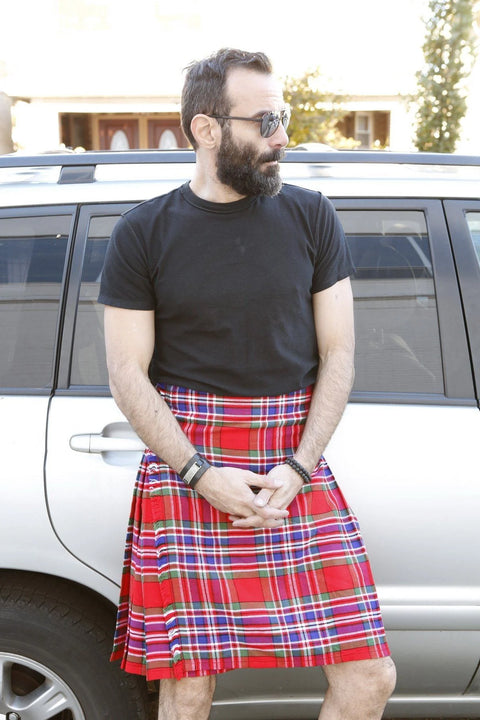
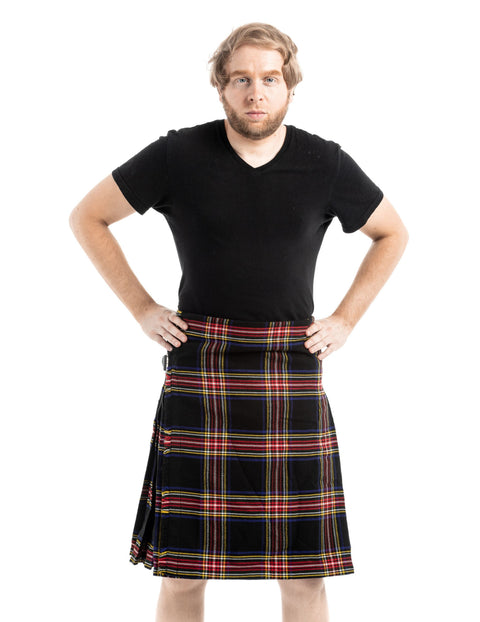
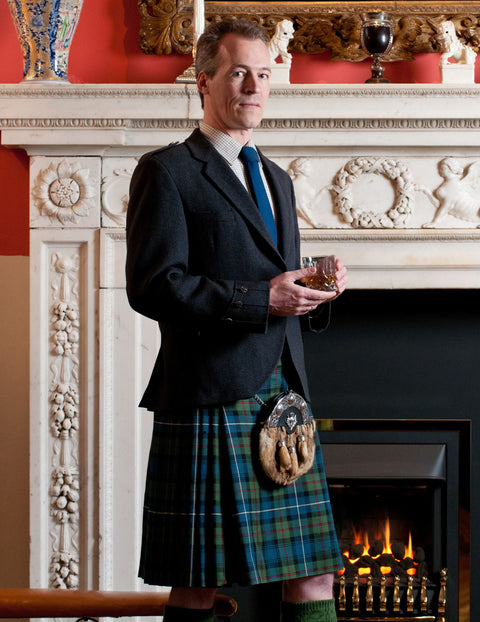
Kilt tartan traditionnel (9 verges)
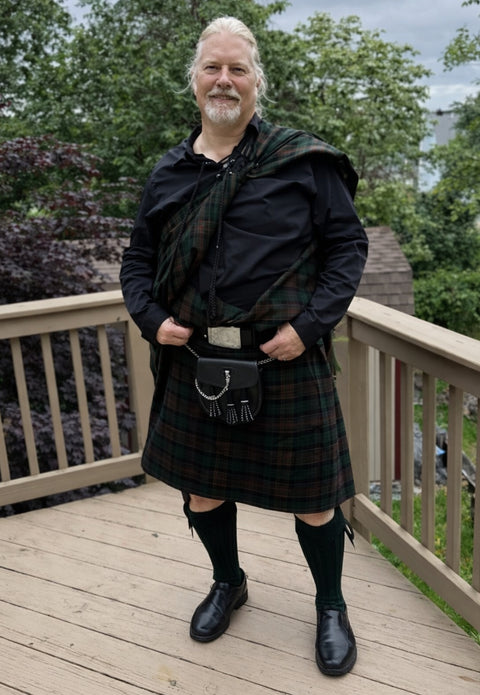
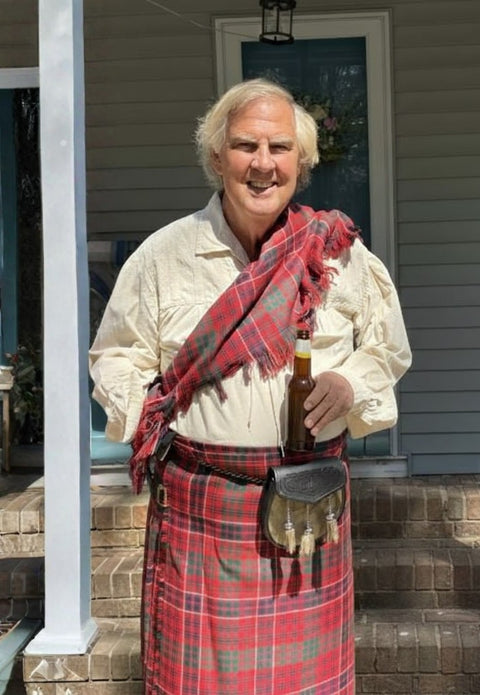
Grand Kilt
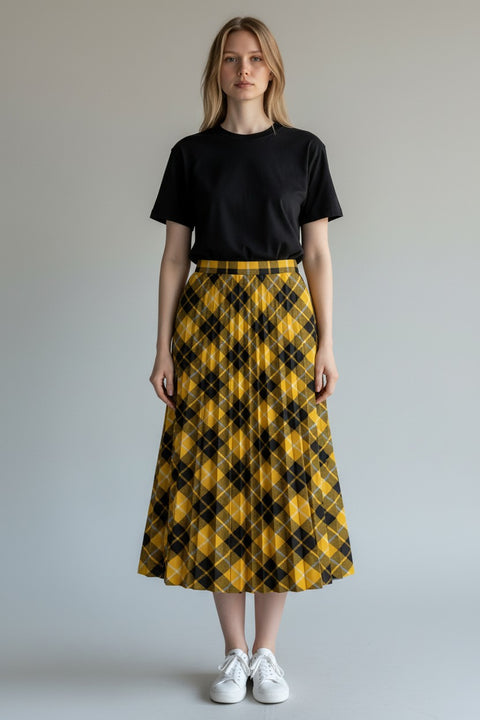
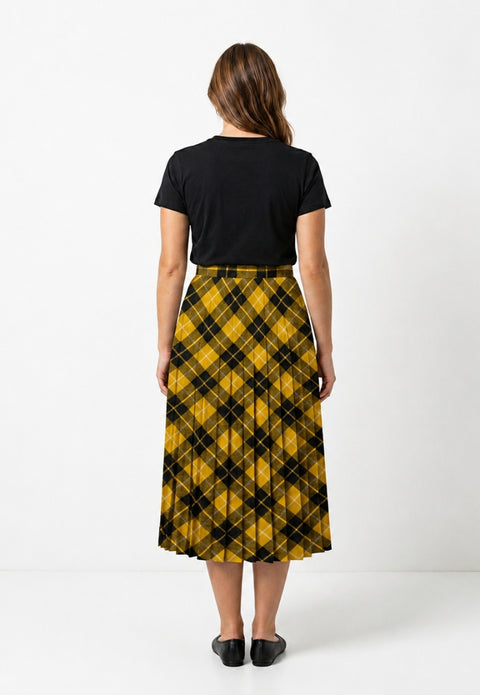
Tartan Precision Pleated Skirt
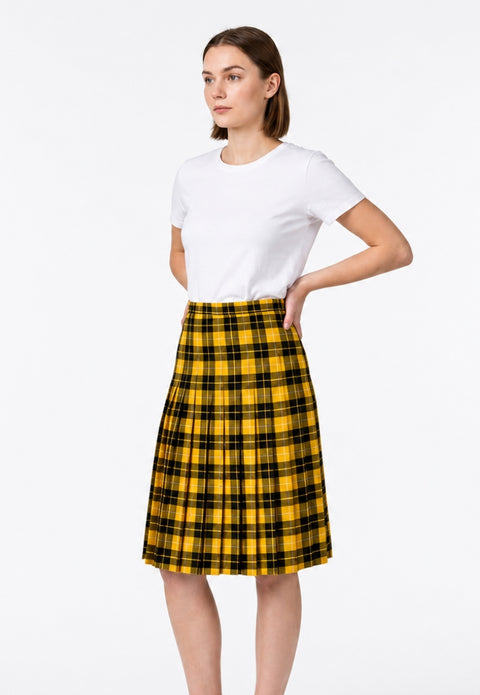
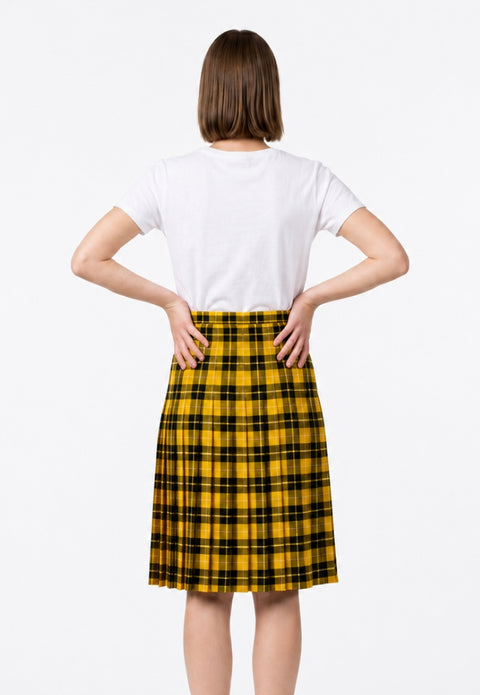
Tartan Full Pleat Skirt
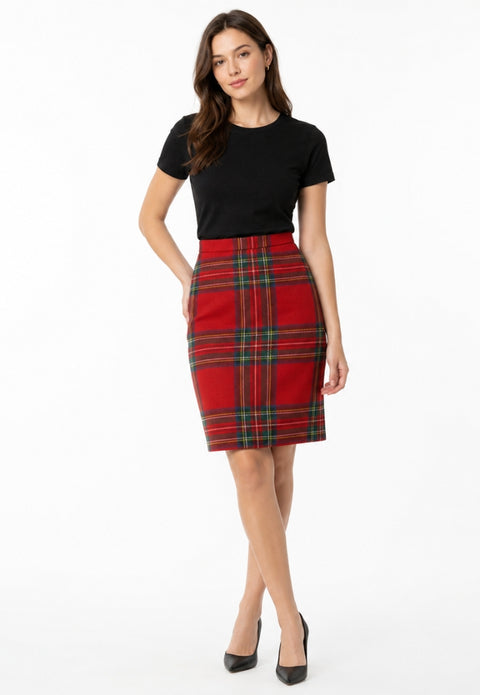
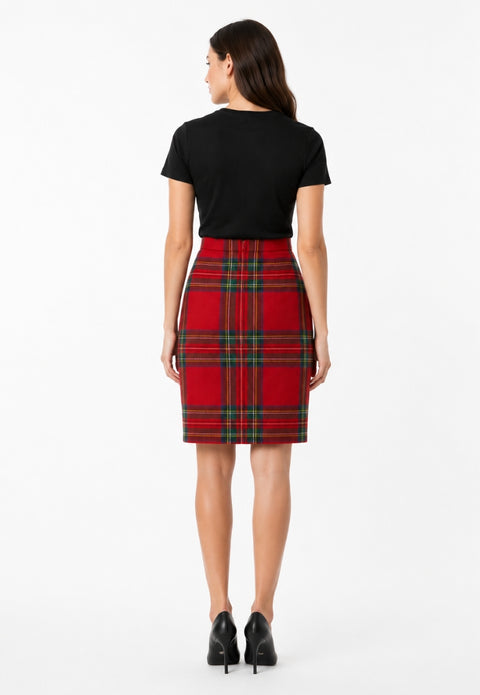
High-Waisted Tartan Pencil Skirt
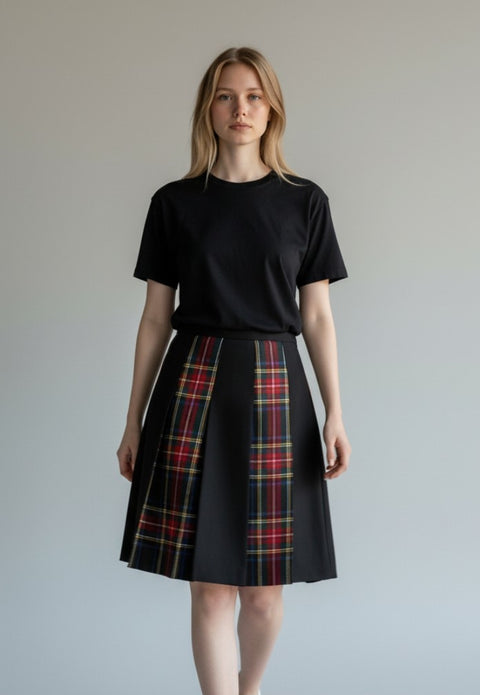
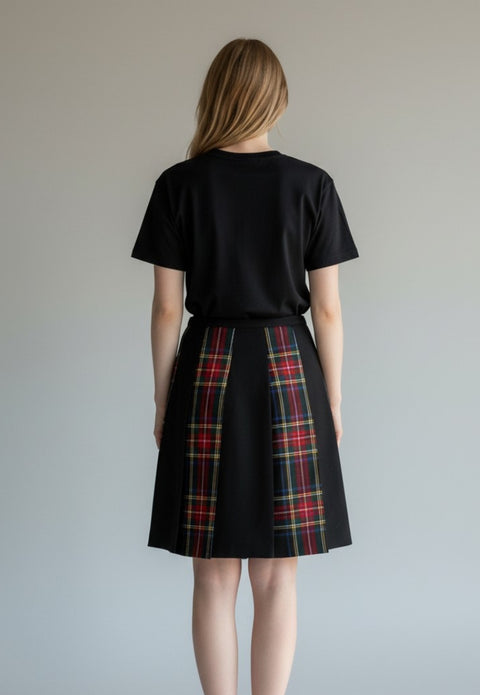
Striped Tartan Panel Pleated Skirt
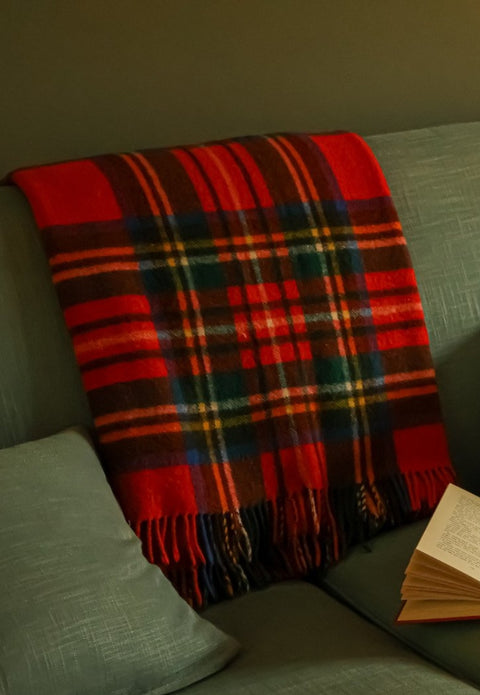
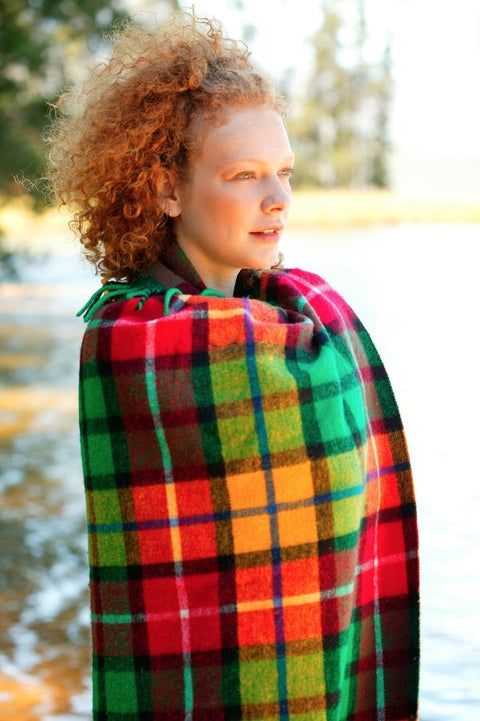
Couverture et jeté en tartan
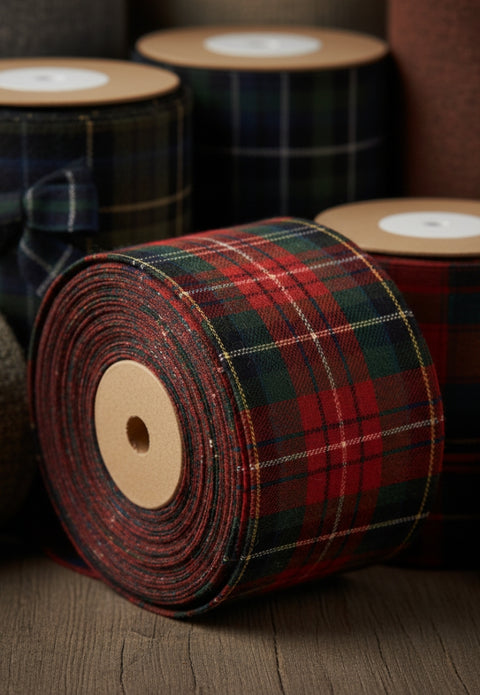
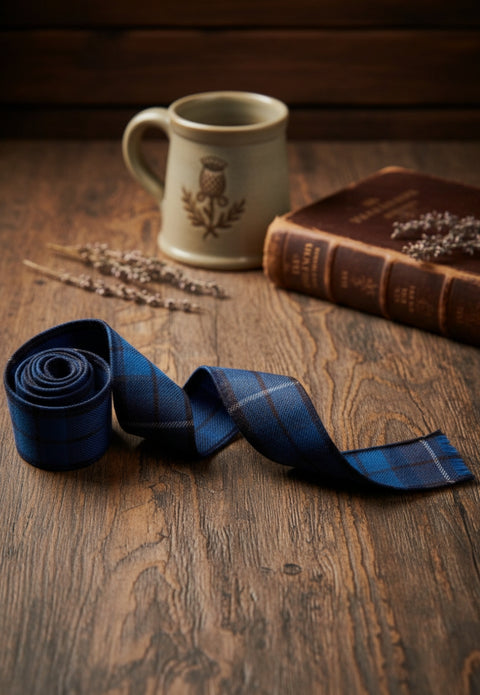
Ruban tartan
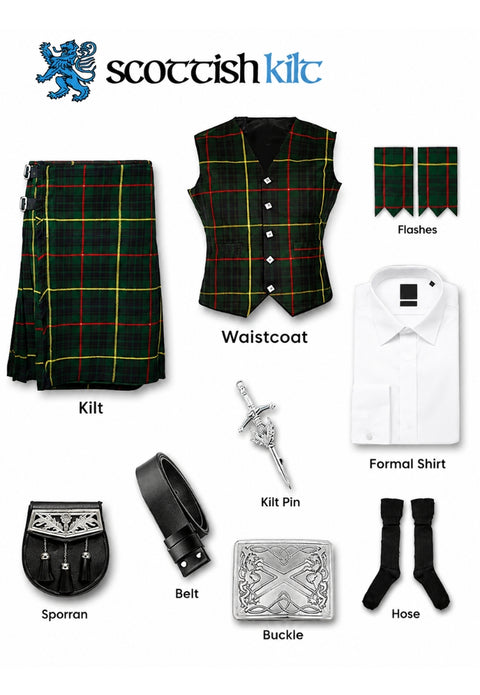
Tenue de kilt avec gilet tartan et accessoires
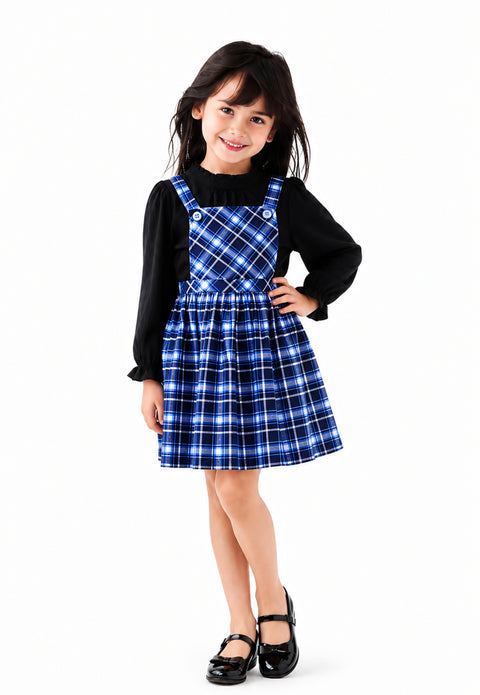
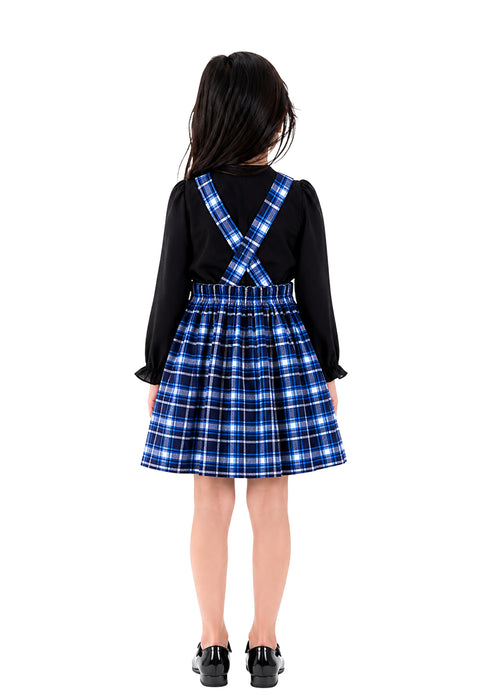
Robe chasuble à carreaux écossais pour fille
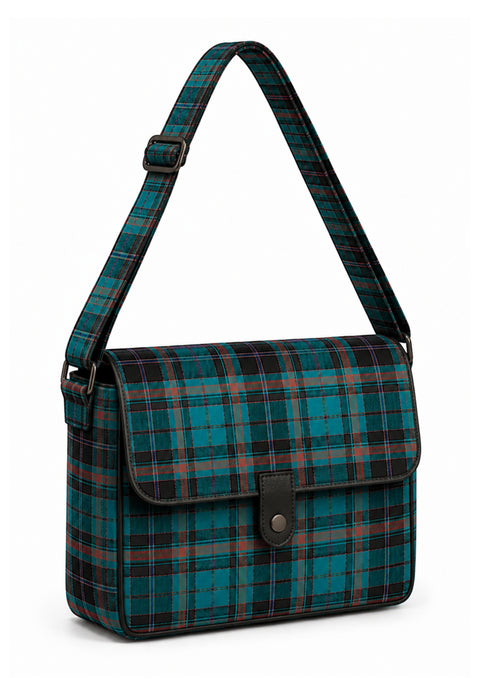
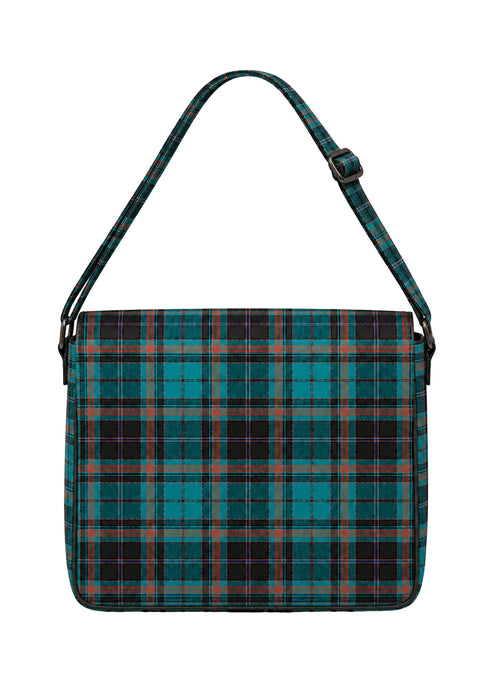
Sac messager à carreaux écossais
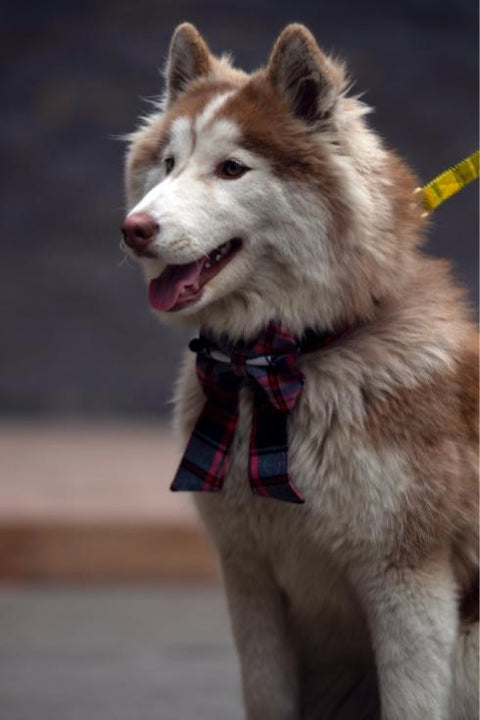
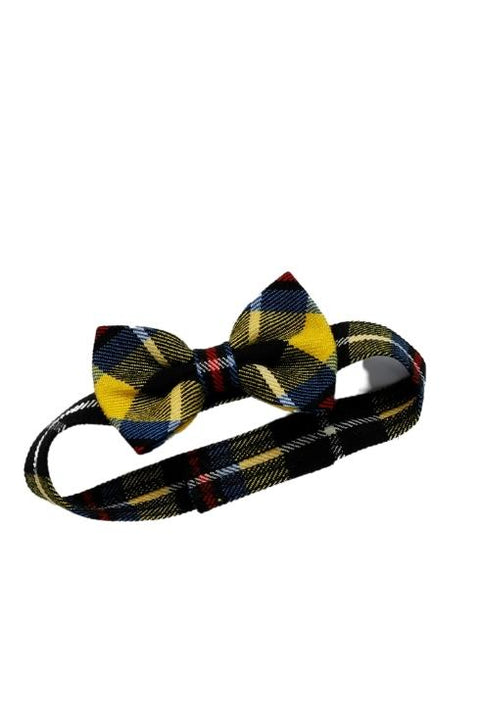
Noeud Papillon Chien Tartan
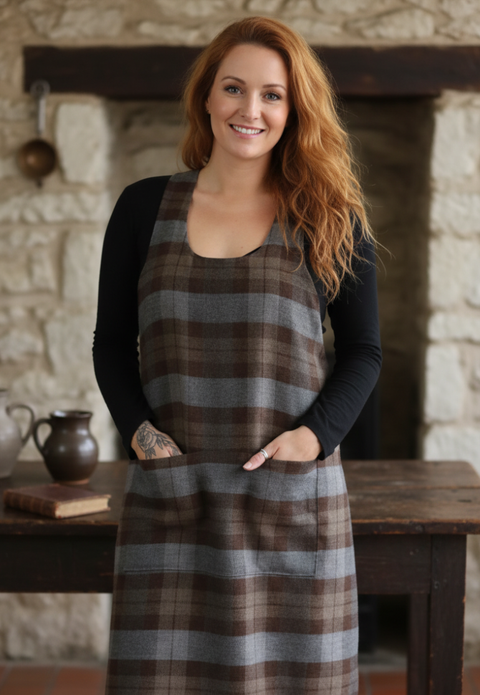
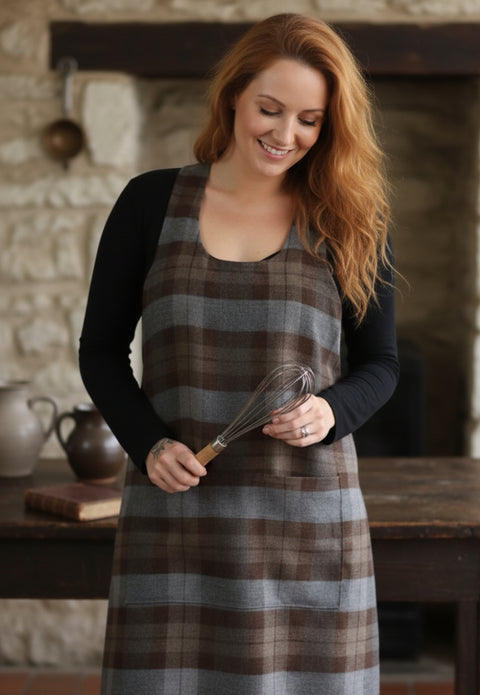
Tablier croisé à carreaux écossais
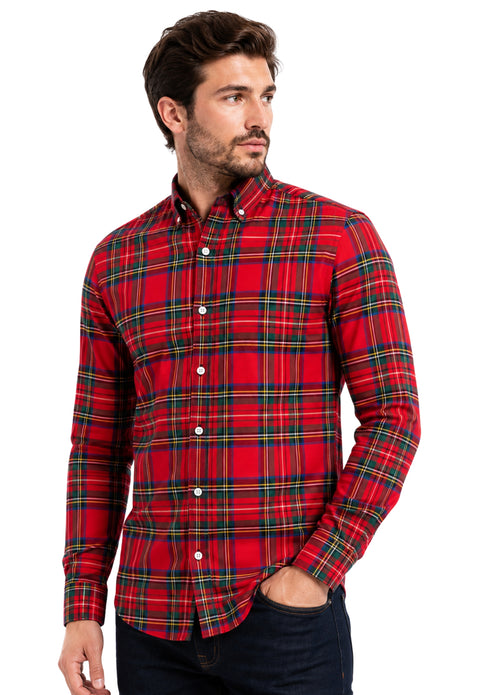
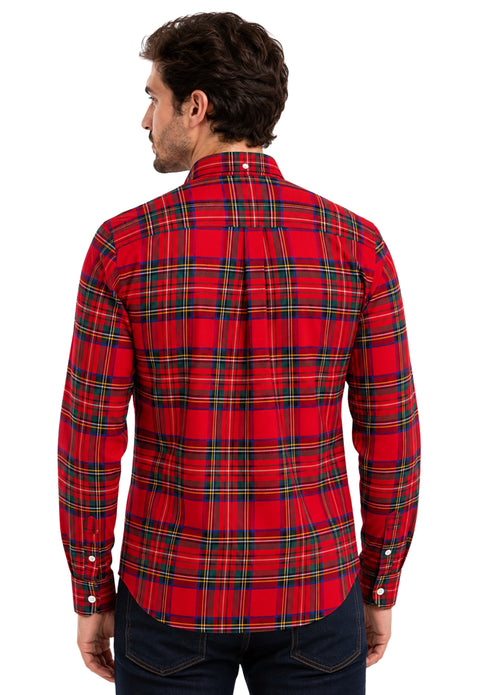
Chemise boutonnée à manches longues à carreaux
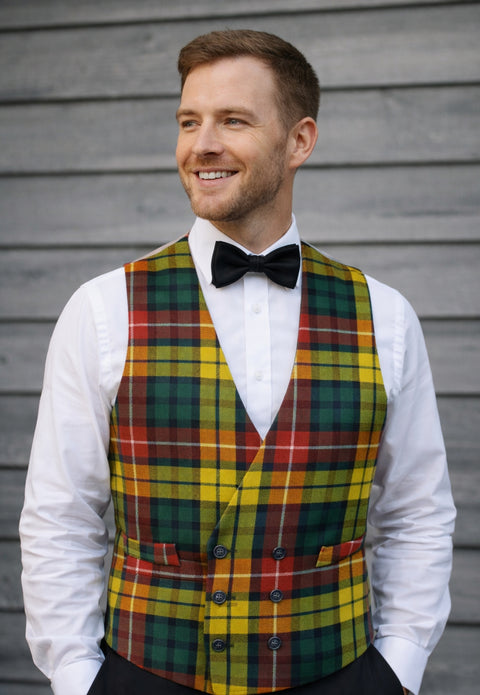
Gilet croisé en tartan
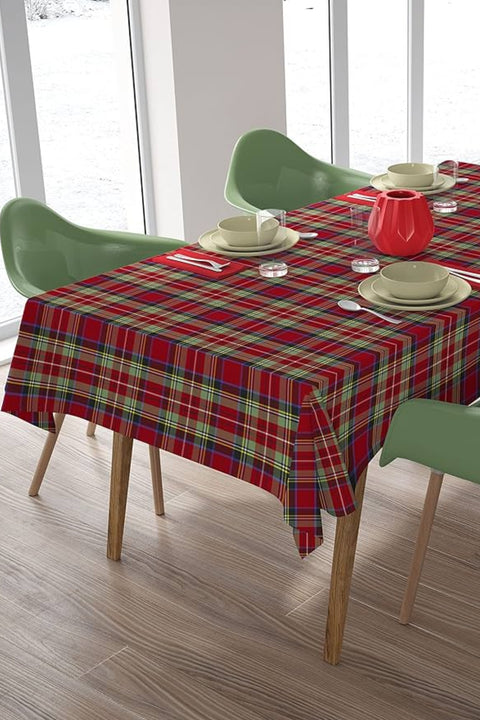
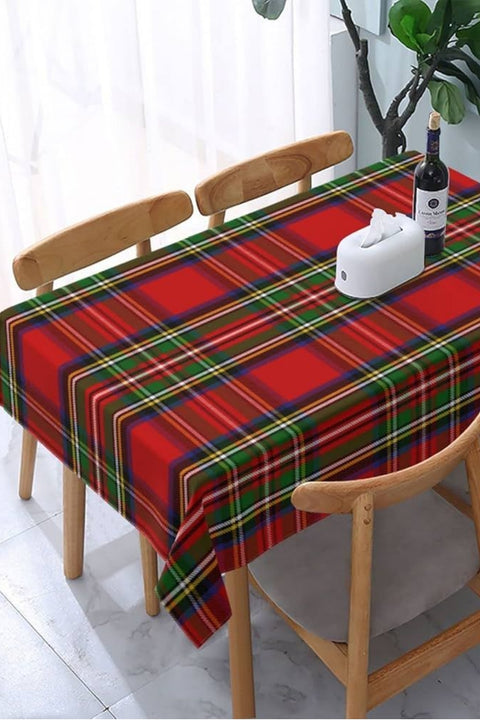
Nappe rectangulaire à carreaux écossais

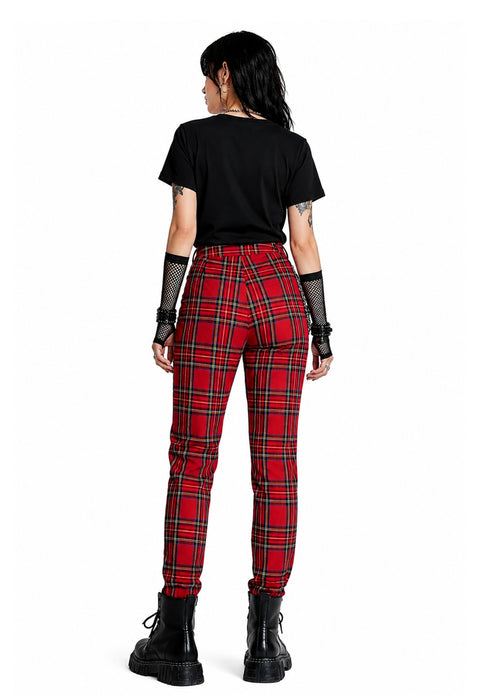
Pantalon à carreaux style grunge punk à fermeture éclair
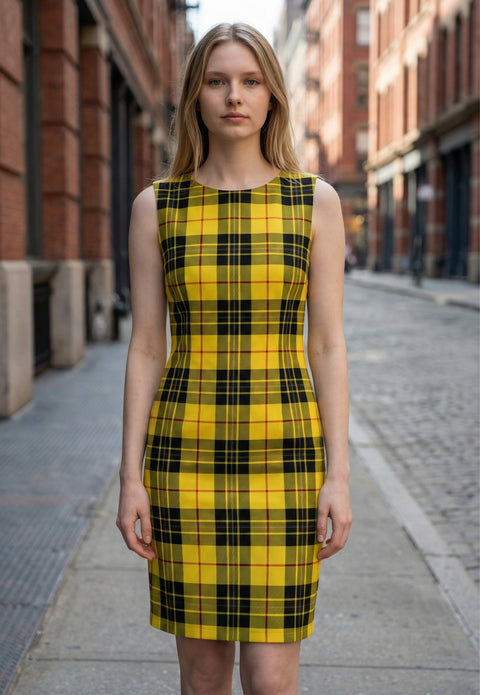
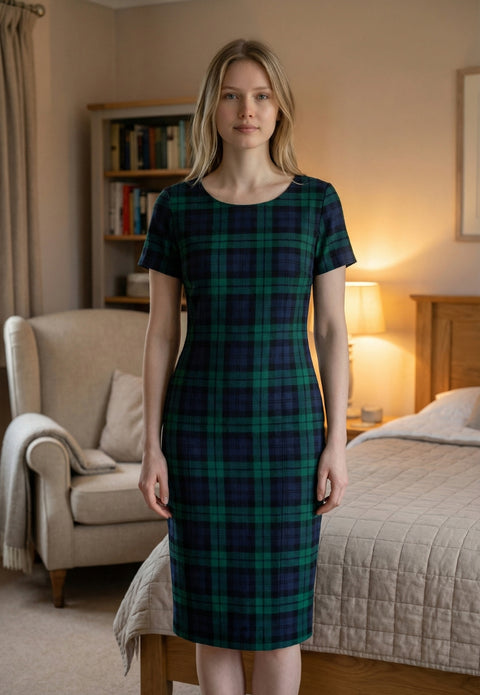
Robe droite en tartan avec manches jusqu'aux coudes
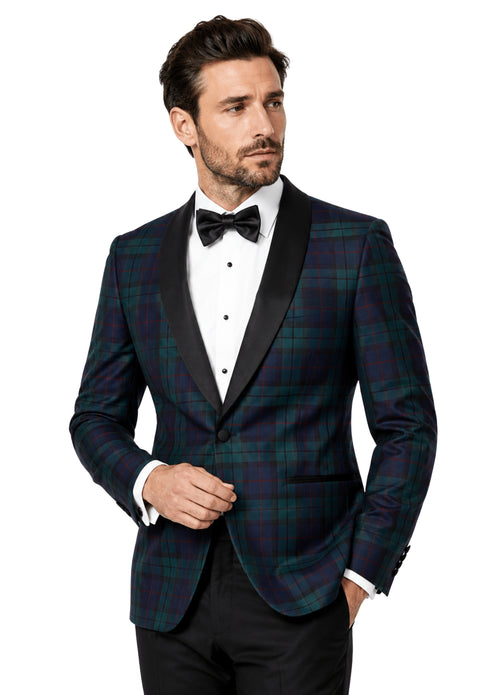
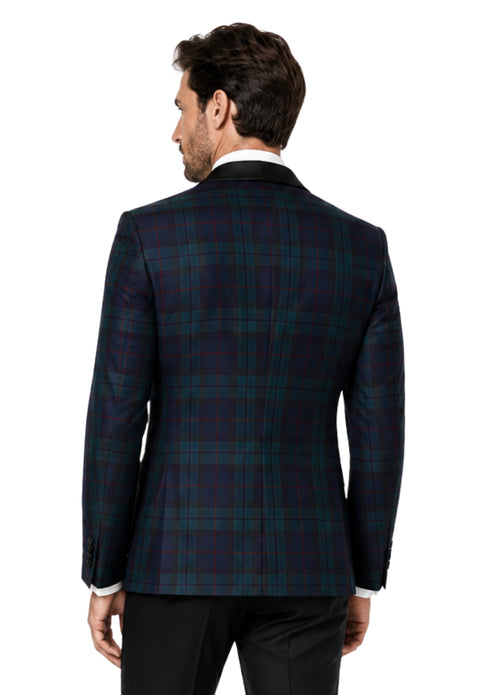
Veste de smoking à simple boutonnage en tartan pour homme
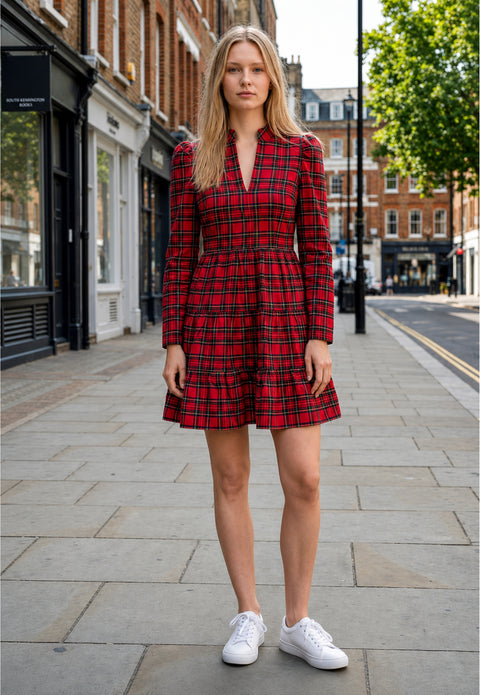
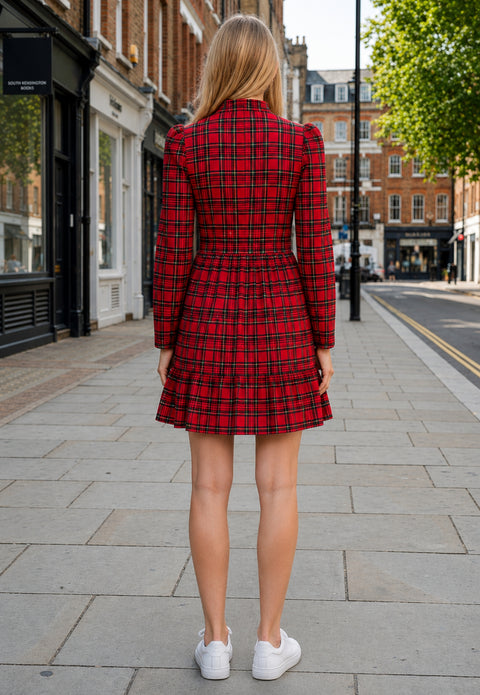
Robe tunique à volants et col en V en tartan
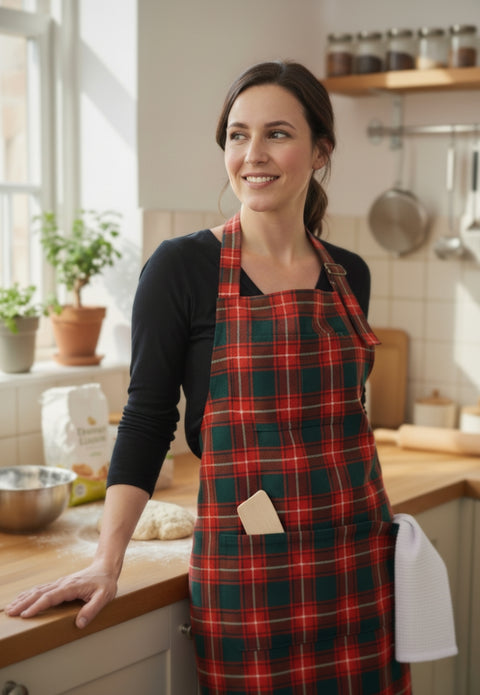
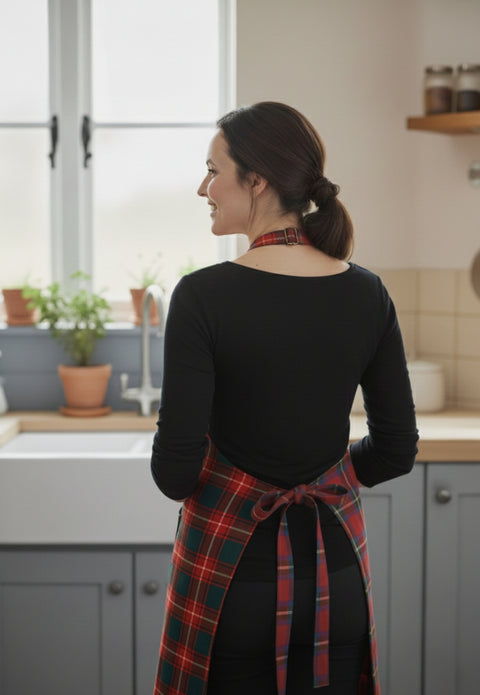
Tablier tartan à poches multiples
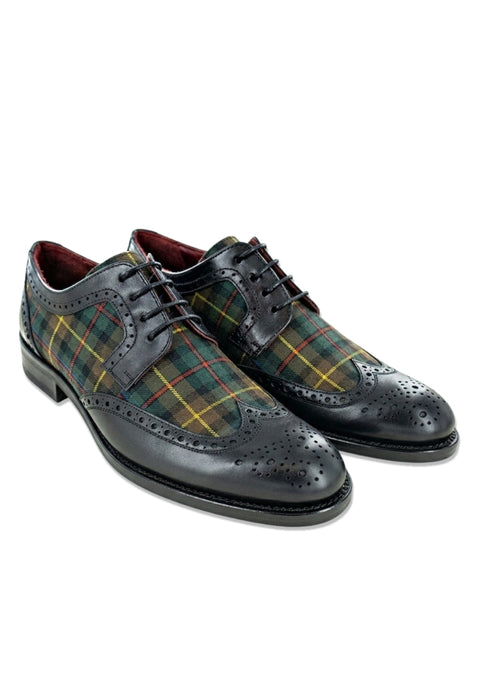
Women's Tartan Ghillie Brogues
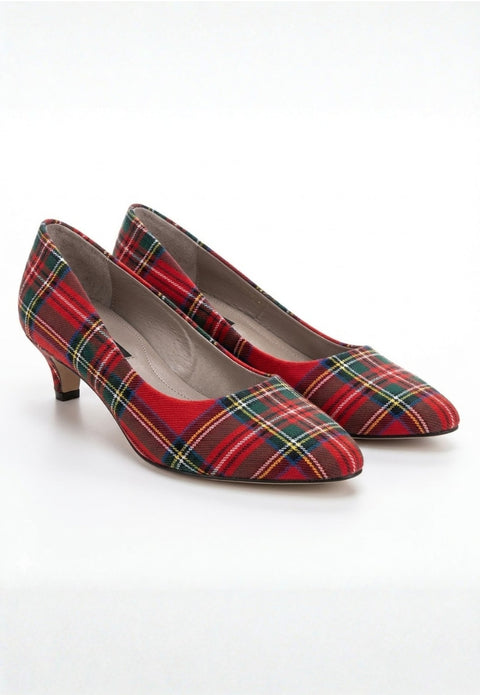
Plaid Kitten Heels
No products match your search.
Save when you order together
Baillie Tartan Deals
Three pre-built outfits at three price points. Everything sized once, shipped together, ready to wear.
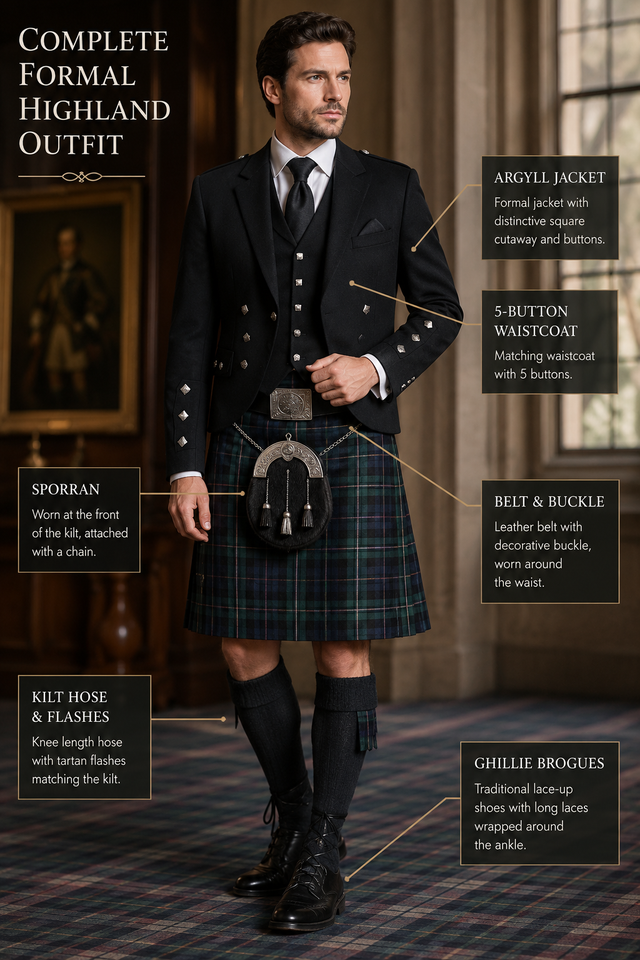
The Wedding Deal
Complete Formal Outfit
Everything you need to walk down the aisle in Highland dress.
- 5 or 8 Yards Kilt
- Argyll Jacket & 5-Button Waistcoat
- Sporran
- Kilt Hose, Flashes
- Belt & Buckle
- Ghillie Brogues
$306
$280
Save $26
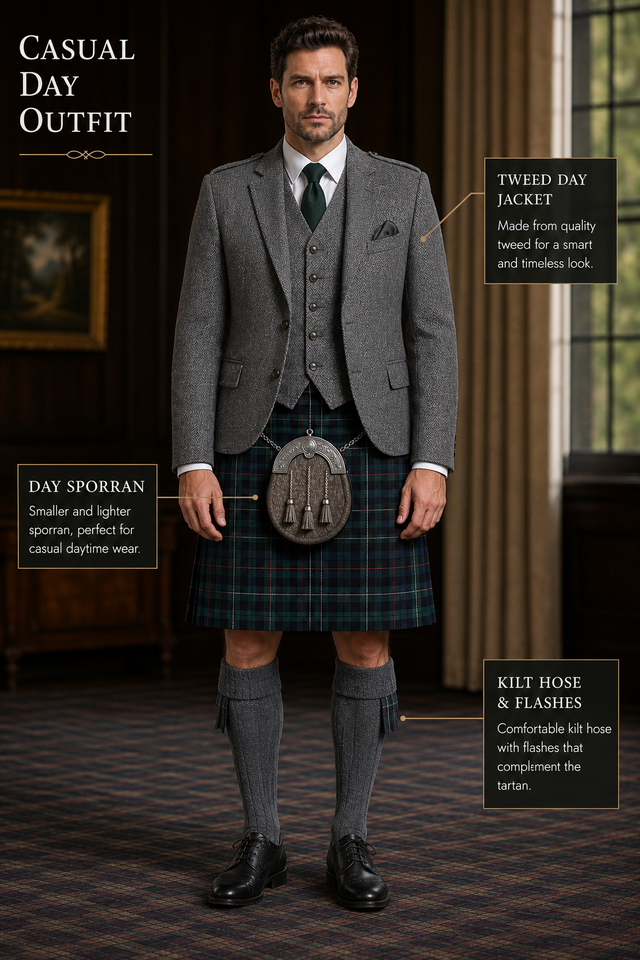
The Highland Games Deal
Casual Tweed Outfit
Everything you need to walk down the aisle in Highland dress.
- 5 or 8 Yards Kilt
- Tweed Day Jacket & Vest
- Day Sporran
- Kilt Hose & Flashes
$239
$213
Save $26
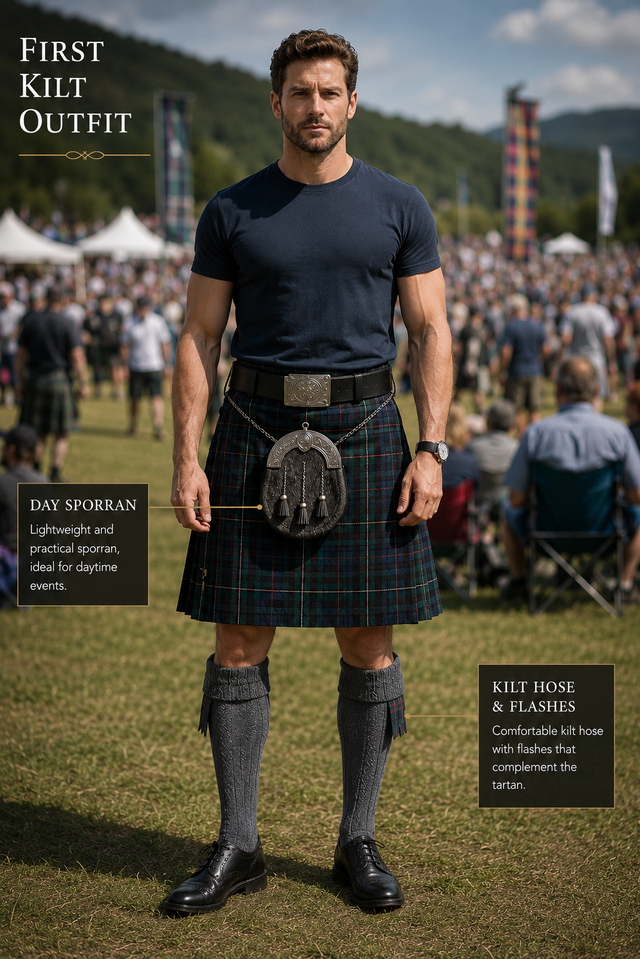
The Essential Starter
First Kilt Outfit
Everything you need to walk down the aisle in Highland dress.
- 5 or 8 Yards Kilt
- Highland Kilt Shirt
- Day Sporran
- Kilt Hose & Flashes
$166
$142
Save $24
i.
Browse Everything in Baillie Tartan
Looking for Baillie tartan? This collection gathers kilts, outfits, fabric and accessories woven in the Baillie sett, each available to order in the colourway you prefer.
ii.
Pick a Colourway for Baillie Tartan
Each Baillie item can be ordered in Modern, Ancient, Weathered or Dress colourways — from strong, vivid tones to soft, muted and formal finishes. Select your preference before checkout.
iii.
Baillie Tartan Fabric by the Metre
Buy Baillie tartan fabric by the metre in medium-weight and heavyweight pure new wool, plus poly-viscose for budget projects. Swatch samples let you check colour and weight first.
iv.
Baillie Tartan Scarves, Ties & Gifts
From ties and bow ties to sashes, shawls and scarves, Baillie tartan accessories add the finishing touch to any outfit or make a thoughtful present.
v.
Kilts & Highland Outfits in Baillie Tartan
Get the full Highland look in Baillie tartan: kilts, kilt skirts, jackets and outfit packages, all sized to fit and ready for formal or casual wear.
vi.
Bespoke Sizing & Global Delivery
We ship Baillie tartan orders worldwide with tracked options at checkout. Custom sizes and group orders are welcome — just ask if you need advice.
The variants
The full tartan family
Every documented variant of this tartan. Tap a variant to load it into the configurator at the top of the page.
No tartan variants found for this collection.
Frequently asked
Common questions
You can order Baillie tartan in Modern, Ancient, Weathered and Dress colourways — the selector appears on every product.
Yes. Ladies' Baillie tartan sashes, shawls, scarves and skirts are available alongside the kilts and accessories.
We tailor Baillie kilts to your measurements, including 8-yard heavyweight versions, and handle group and event orders too. Start with the Baillie Bespoke Kilt.
Baillie tartan cloth comes in a hard-wearing medium-heavyweight acrylic weave — easy to care for and suited to kilts, skirts and accessories alike.
The Baillie tartan collection includes kilts, Highland dress, jackets, fabric by the metre, scarves, ties, sashes and gifts — all woven in the Baillie sett and available in Ancient, Modern, Weathered and Dress colourways.
Yes. Tartan is freely worn today, so anyone may buy and wear the Baillie tartan for weddings, events or everyday style. To compare the Baillie tartan with other setts, browse our tartan finder. The Baillie name has its own story — read the full Clan Baillie history.
Stocked items ship in a few days; made-to-order Baillie kilts and outfits take a few weeks, with timing confirmed at checkout.
Measure your natural waist, hips and the length from waist to mid-knee, then match them to the size guide on the product page. If you're between sizes, contact us for a made-to-measure fit.
