

What's your clan?
Identify your Scottish heritage from 1,200+ family clans and 250+ sept surnames. Verified against the Scottish Register of Tartans. Free, under a minute.
We check 1,200+ clans and 250+ septs. Mc/Mac variants and diaspora spellings handled.
Don't know your surname?
Browse popular clans
The clans most often searched, asked about, and worn around the world. Click any clan to read its history, see its tartans, and find related septs.
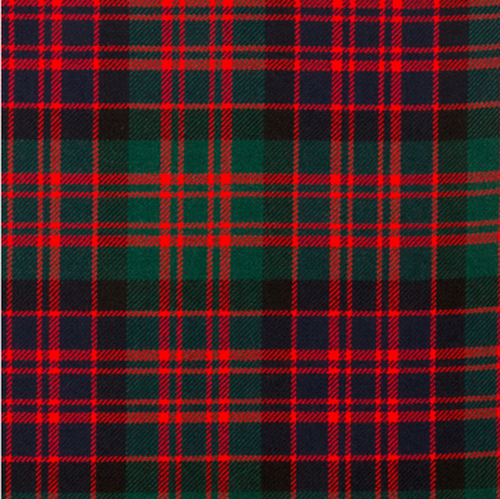
Macdonald
Clann Dòmhnaill
“Per Mare Per Terras”By sea and by land
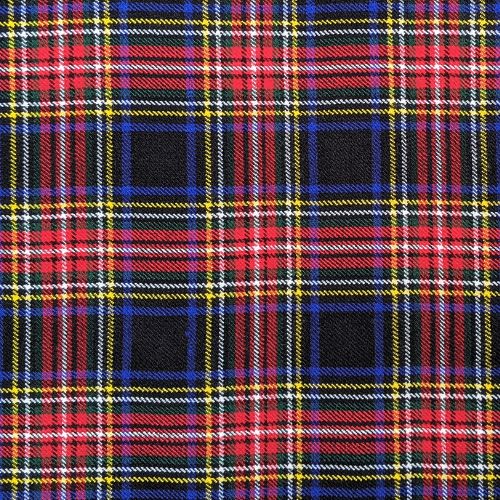
Stewart
Stiùbhart
“Virescit Vulnere Virtus”Courage grows strong at a wound
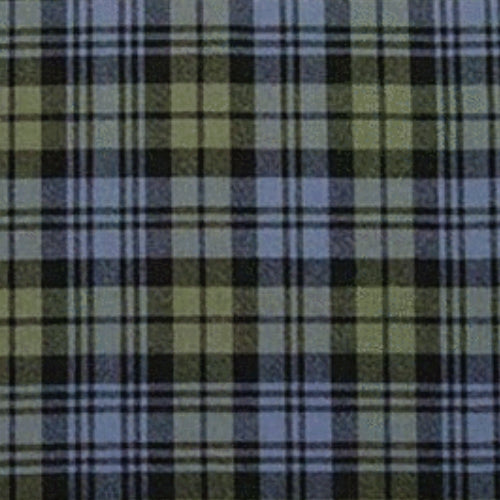
Campbell
Na Caimbeulaich
“Ne Obliviscaris”Do not forget
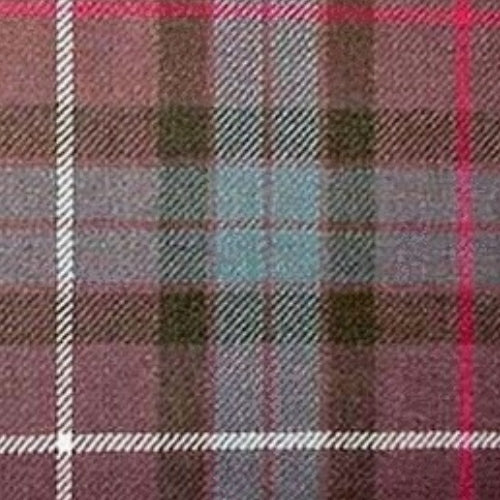
Fraser
Na Frisealaich
“Je suis prest”I am ready
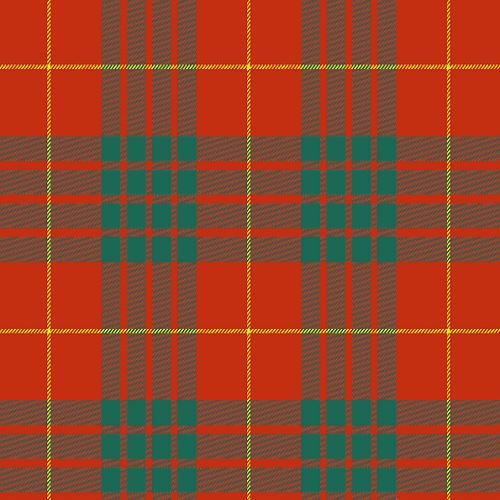
Cameron
Na Camshronaich
“Aonaibh Ri Cheile”Unite
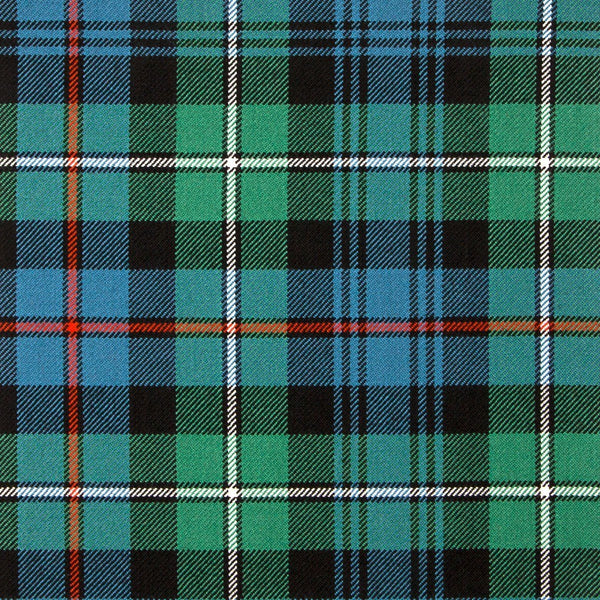
MacKenzie
Clann Choinnich
“Luceo Non Uro”I shine, not burn
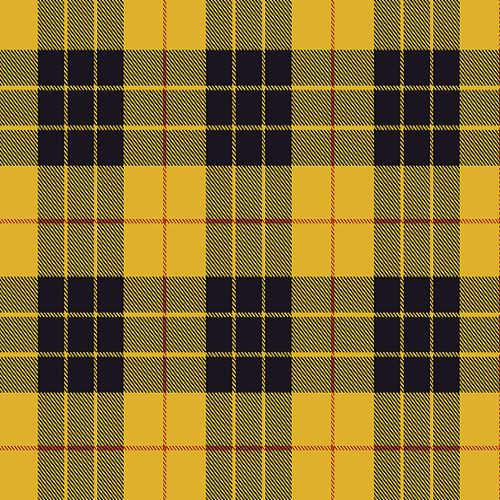
MacLeod
Clann Mhic Leòid
“Hold Fast”Hold Fast
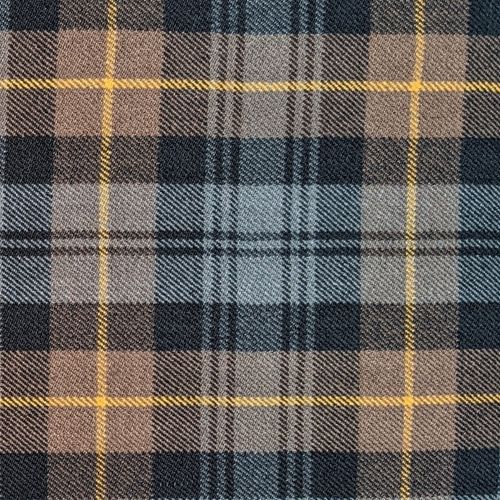
Gordon
Na Gòrdanaich
“Bydand”Remaining / steadfast
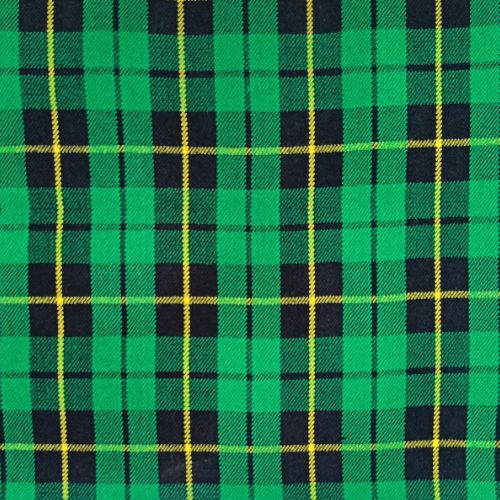
Wallace
Uallas
“Pro Libertate”For liberty
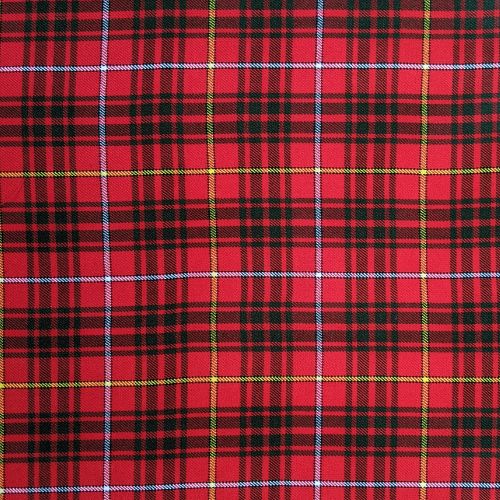
Bruce
Brùs
“Fuimus”We have been
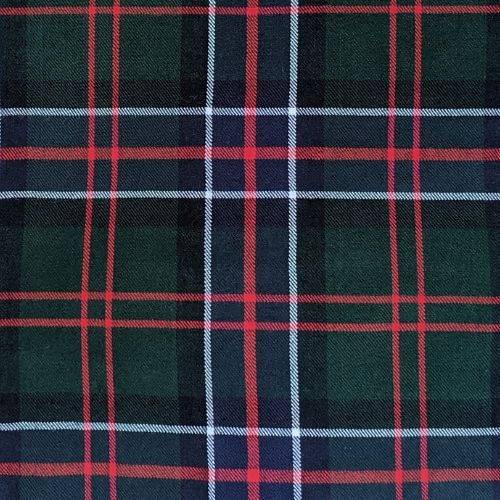
Sinclair
Na Sionclairich
“Commit thy work to God”Commit thy work to God
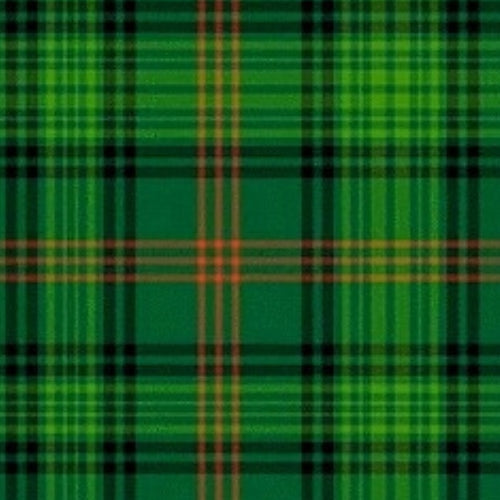
Ross
Clann Anndrais
“Spem Successus Alit”Success nourishes hope
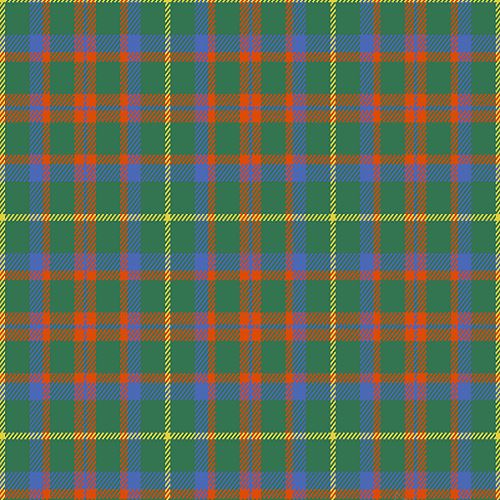
MacKintosh
Mac an Tòisich
“Touch Not the Cat Bot a Glove”Touch not the cat without a glove
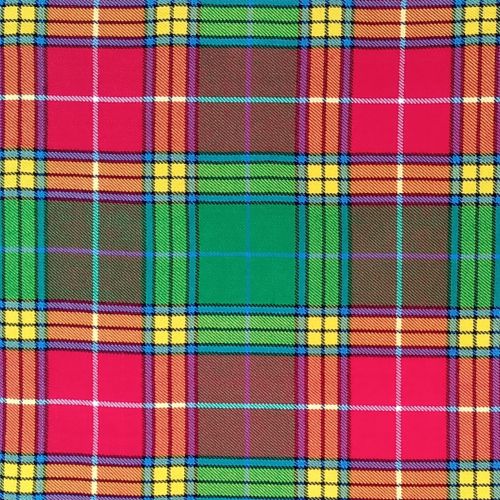
Buchanan
Cananach
“Clarior Hinc Honos”Brighter hence the honour
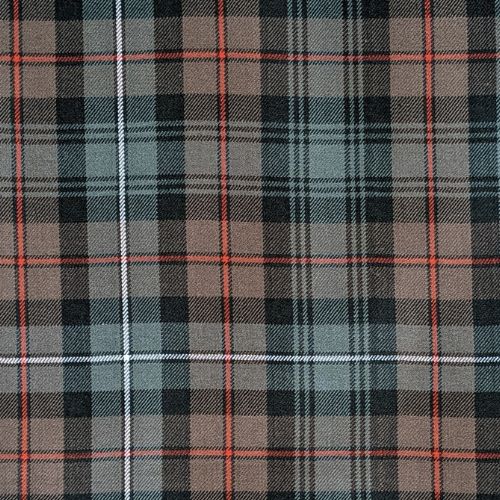
Robertson
Clann Donnchaidh
“Virtutis Gloria Merces”Glory is the reward of valour
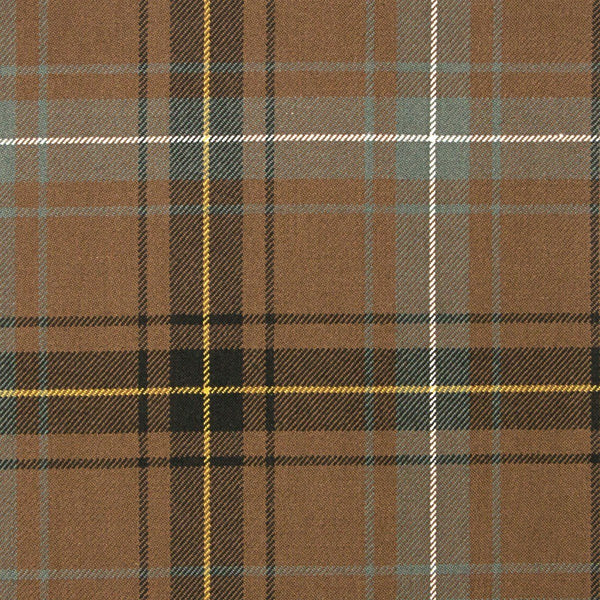
Henderson
Henderson
“—”Motto not on record
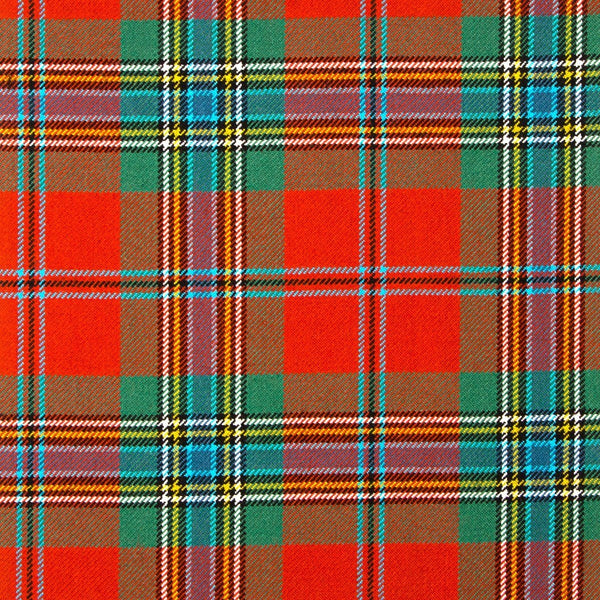
MacLean
Clann 'IcGill-Eathain
“Virtue Mine Honour”Virtue mine honour
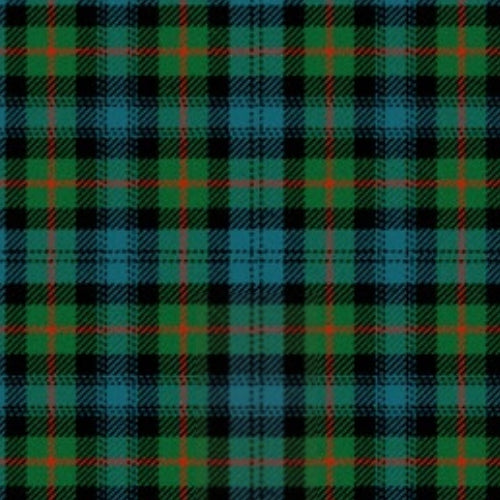
Murray
Moireach
“Tout Prest”Quite ready
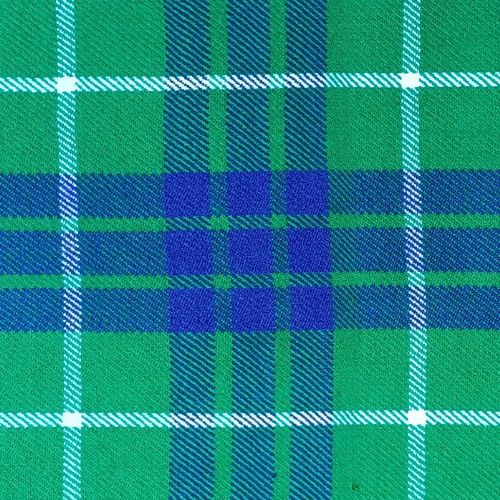
Hamilton
Hamilton
“Through”Through
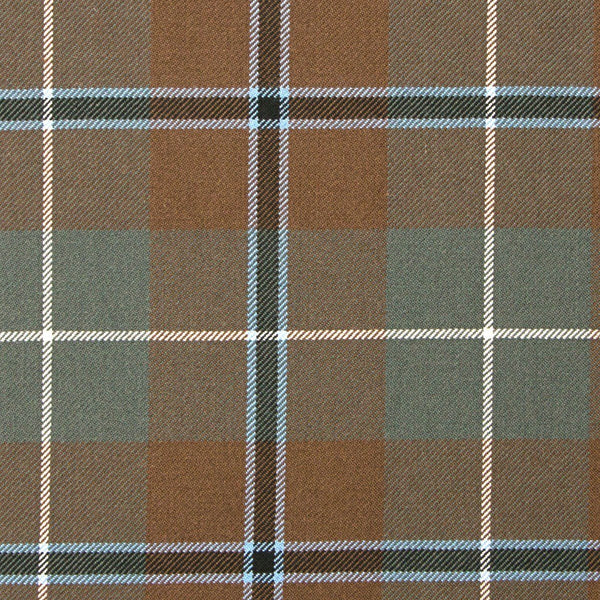
Douglas
Dùbhghlas
“Jamais Arrière”Never behind

Scott
Scott
“Amo”I love
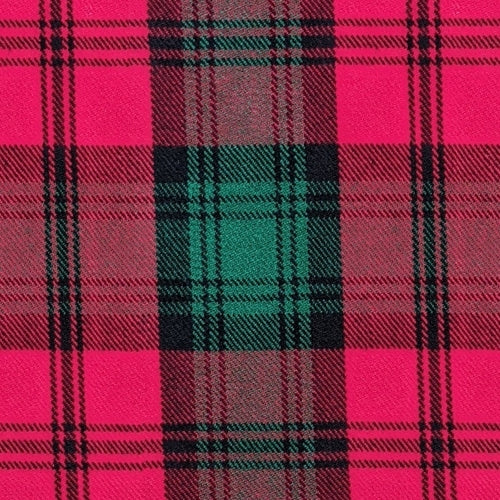
Kerr
Kerr
“—”Motto not on record
Five questions to narrow it down
If you don't know a surname, this works from rough family history alone — where they settled, when they arrived, what region of Scotland they came from. About 2 minutes.
Where in Scotland?
Twenty-one historic regions, mapped to where their clans actually held land. Click a region to see its clans and tartans. The same vocabulary as the heritage quiz above — so if the quiz pointed you toward Lochaber or Roxburghshire, you can pick up where you left off here.
A to Z — all clans
Every recognised family clan in our database. Jump to a letter, click a clan to see its history and tartans. A green check (✔️) marks clans verified against the Scottish Register of Tartans.
Family names linked to clans
Septs are surnames historically allied with a clan — sharing its tartan and protection without being directly related. The Burns family (including Robert Burns, the poet) is a sept of Clan Campbell; Bowie is recognised as a sept of both MacDonald and Grant. Search the directory below.
Sept lists vary across sources — different clan societies recognise different surnames. We've documented 239 well-attested septs verified against multiple sources, but the total count of historic sept affiliations across all clans is contested and not centrally registered. If your name isn't here, try the surname search at the top, the heritage quiz, or contact our heritage team.
Find your clan by where they landed
Scottish emigration came in four major waves between 1600 and 1914, each with distinct origins, causes, and destinations. Where your ancestors settled — and roughly when — narrows the clan possibilities dramatically. Twelve key destinations below, grouped by wave.
Frequently asked questions
Worth reading before committing to a clan identification.
Understanding clans
4 questionsWhat is a Scottish clan?
A clan, at its oldest meaning, was not just a family but a kinship network — a group of people who claimed common descent, real or symbolic, from a single founding ancestor. The Gaelic word clann simply means "children."
In the Scottish Highlands and Islands from roughly the 11th century onwards, clans organised themselves around a chief, held territory communally, and offered protection to anyone willing to take the clan name regardless of bloodline.
The clan system was largely dismantled after the Battle of Culloden in 1746, but the names and the kinship structure persisted, particularly through emigration.
How do I identify my clan?
Three tools on this page can help. The surname search at the top is fastest if you have a family name. The heritage quiz works if you only know rough family history. The regional map and emigration browser are for users who know geography better than surnames.
If your surname is one of the recognised clans, the surname search will find it. If it's one of the documented septs, the search will route you to the parent clan.
Highland vs Lowland clans — what's the difference?
Highland clans, mostly Gaelic-speaking until the 19th century, were geographically the western and northern parts of Scotland. They organised around kinship networks, held territory communally under a chief, and maintained a distinct culture: Gaelic language, kilt, pipes, and the clan system itself.
Lowland clans — Hamilton, Wallace, Bruce, Scott, Kerr, Douglas — were more like English aristocratic families: territorial holdings, hereditary surnames, less collective land use. They spoke Scots and English rather than Gaelic.
The dividing line — the "Highland Line" — runs roughly from the southwest to the northeast across central Scotland.
What's the difference between a chief and a chieftain?
The chief is the head of the entire clan, recognised by the Lord Lyon Court (Scotland's heraldic authority). One per clan.
A chieftain is the head of a branch (cadet line) within the clan. For example, the chief of Clan MacDonald is recognised separately from the chieftains of MacDonald of Sleat, MacDonald of Clanranald, MacDonald of Glengarry.
Understanding septs
2 questionsWhat is a sept?
A sept is a family — sometimes a single household, sometimes an entire surname — that allied with a larger clan, came under its protection, served it, or eventually intermarried with it. Septs shared the clan's tartan, often shared its surname conventions, and identified with the clan publicly.
Septs are not lesser. They are simply affiliated. The Bowie family is a sept of Clan MacDonald. The Burns family, including the poet Robert Burns, is a sept of Clan Campbell.
My surname appears under more than one clan — which is correct?
Some surnames are recognised as septs of more than one clan because the same name independently allied with different clans in different regions of Scotland.
If you know which region of Scotland your family came from, choose the clan from that region. If you don't, all historical attributions are valid — the choice is yours.
Tartan tradition
4 questionsWhy do Mc, Mac, and M' all mean the same thing?
All three prefixes are abbreviations of the Gaelic word mac, meaning "son of." MacDonald means "son of Donald." McDonald, M'Donald, and Macdonald all carry exactly the same meaning.
The "Mc" form became particularly common in Ireland and the United States. The "Mac" form held on more firmly in Scotland itself. For practical purposes — clan identity, tartan rights, sept affiliation — they are interchangeable.
What are the different tartan variants (Modern, Ancient, Hunting, Dress)?
Most major clans have several tartans. Standard (or Modern) is the everyday tartan. Hunting is woven in greens and earth tones, designed to be less visible in the field. Dress sets a white or pale ground colour, traditionally for formal evening wear.
Independent of variant, dye palette changes the colour generation: Modern, Ancient, Weathered, Muted. The same Hunting tartan can come in any dye palette.
Tartan vs plaid vs check — what's the difference?
In Scotland, tartan is the woven crisscross pattern itself. Plaid (from Gaelic plaide, "blanket") originally meant the long garment worn over the shoulder.
In American English, "plaid" came to mean the pattern itself. A check is any crisscross pattern, often simpler than tartan.
What is the Scottish Register of Tartans?
The Scottish Register of Tartans is the official government register, administered by the National Records of Scotland, established by an Act of Parliament in 2008. Every legitimate tartan can be registered with a unique reference number.
It is the single authoritative source we cross-reference for verification. When a clan in our catalogue carries the Heritage-verified badge, it means we've confirmed its registration in the SRT.
Scottish history
4 questionsThe 1746 ban and the 1782 repeal — what happened?
After the Battle of Culloden in 1746, the British government passed the Dress Act, banning the wearing of tartan and Highland dress for everyone except soldiers in the Highland regiments. The intent was to dismantle the clan system that had backed the Jacobite cause.
The ban lasted 36 years. By the time it was repealed in 1782, much of the original sett knowledge had been lost. The revival that followed was as much an act of romantic reinvention as historical recovery.
The Highland Clearances — what happened?
Between roughly 1790 and 1850, Highland landlords forcibly evicted thousands of tenant farmers from the lands their families had worked for generations. The motive was economic: sheep farming was more profitable than tenant agriculture.
The displaced went mostly to the coasts or emigrated. Nova Scotia, Cape Breton, Prince Edward Island, and parts of Australia and New Zealand became the largest Gaelic-speaking communities outside Scotland itself.
The Jacobite risings — what were they?
The Jacobites were supporters of the exiled Stuart kings who tried to reclaim the British thrones in a series of risings between 1689 and 1745. The most famous was the '45 Rising under Charles Edward Stuart (Bonnie Prince Charlie), defeated at Culloden in April 1746.
Many Highland clans backed the Jacobite cause for religious and political reasons. The defeat at Culloden ended the cause and led to the systematic dismantling of the clan system.
How did Scottish clans end up in America?
Scottish emigration to North America came in four major waves: Ulster-Scots Plantation (1600s–1775), Post-Culloden Highland (1746–1800), Highland Clearances (1790–1850), and Late Victorian Economic (1850–1914).
See the emigration browser above for the full geography.
Wearing tartan
3 questionsCan I wear any tartan, or only my clan's?
You can wear your clan's tartan, any sept tartan you're related to, and any universal tartan. Tradition holds that you should be invited to wear another clan's tartan — but this is etiquette, not law.
If you have no Scottish heritage, the universal tartans are designed precisely for you.
What are universal tartans?
Universal tartans are designed to be worn by anyone, regardless of heritage. They belong to no single clan and require no permission. The main ones: Royal Stewart, Black Watch, Pride of Scotland, Flower of Scotland, Caledonia, Hunting Stewart, and Dress Stewart.
How do I wear a kilt properly?
The kilt sits at the natural waist (above the navel, not at the hips), with the pleats at the back. The kilt should reach the middle of the knee — not above, not below.
A traditional formal outfit includes: kilt, sporran (the pouch worn at the front), Prince Charlie jacket or Argyll jacket, kilt hose, flashes, ghillie brogues. A sgian dubh (small knife in the hose) is a traditional accessory.
Using this page
3 questionsHow accurate is the heritage quiz?
The quiz uses 77 verified clans in its scoring weights, with absolute confidence bands (Strong / Moderate / Weak). The quiz is a starting point, not a definitive identification.
We recommend cross-checking with the surname search and — ideally — family records or genealogy resources before finalising your tartan choice.
Why are some clans "verified" and others not?
We mark a clan as Heritage-verified when its tartan registration is confirmed in the Scottish Register of Tartans, its chief is recognised by the Lord Lyon Court, and its history has been reviewed by our editorial team.
Unverified does not mean inauthentic. It means awaiting final editorial sign-off.
I don't see my clan or surname — what should I do?
Three things this could mean: (1) the spelling has drifted in your family across generations — try the surname search with a variant. (2) your family may be from a Scottish region rather than tied to a specific clan. (3) the name may be a sept we haven't documented yet.
The fastest recovery path: type the name into the surname search at the top of the page. You can also contact our heritage team if you want a personal review.
Other tools that might help
Three more ways to find your tartan
If the surname search didn't land for you, try one of these. Each works from a different starting point — sept name, DNA result, or design from scratch.
My surname isn't a clan name
239 sept surnames mapped to 50 parent clans. Burns → Campbell, Henderson → Gunn, Black → Lamont. Fast lookup.
Open Sept Lookup DNA FinderI have DNA results, no surname
Enter your AncestryDNA, 23andMe, or MyHeritage percentages. We weight Scottish, Irish, Scandinavian, and English to suggest tartans honestly.
Open DNA Finder Tartan DesignerI want something unique
Design your own tartan from scratch. Pick colours, thread counts, and sett structure. Register it with the Scottish Register of Tartans.
Open DesignerFound your clan? See the tartans.
Browse all 5,000 tartans filtered by your clan, by colour, occasion, or fabric tier. Kilts cut to your measurements in Scotland from $249.
