


445 Styles · Custom Tartan
Kilts écossais
About this collection
Kilts écossais


Kilt Tartan Cooper


Kilt Tartan Ferguson


Kilt sur mesure Teylu Coleman

Kilt Tartan MacKinnon

Patriote Ancien Tartan

Tartan brûle

Morgan Ancien Tartan

Kilt sur mesure Rymond Lee - Édition limitée
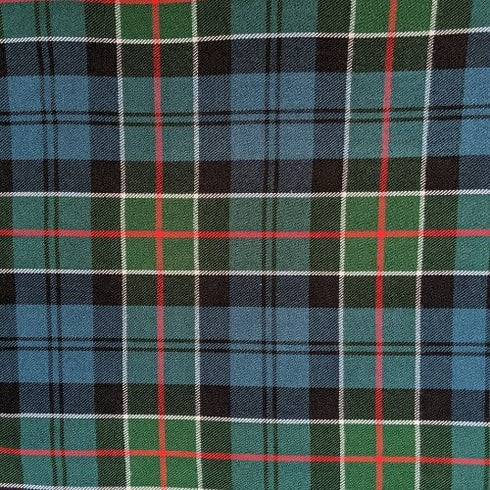
Tartan Colquhoun

MacRae Ancien Tartan

Tartan antique de Rob Roy MacGregor

Tartan du district de Perthshire

Owen Tartan

Tartan du clan Phillips

Olivier Tartan

Tartan du Québec

Tartan Regan

Tartan Norvégien De Nuit
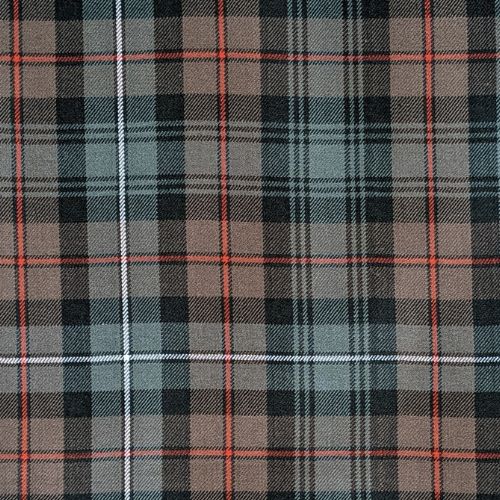
Robertson Hunting Tartan patiné
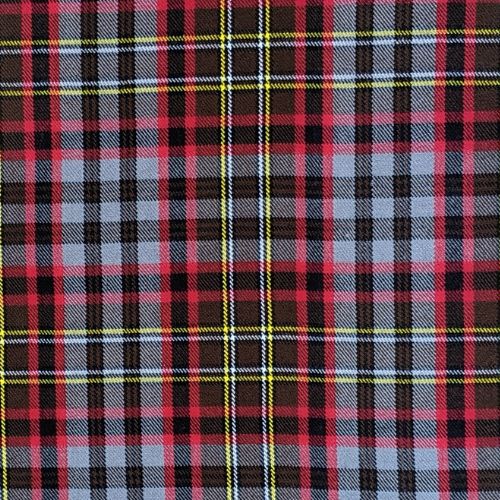
Nicolson Hunting Tartan patiné
Most popular this season
Best Selling
The products our customers order most, every one made-to-measure to fit you exactly.


Shop by Inspiration
Made to Measure. Made to Last.
Each piece is expertly tailored, carefully finished and fitted to perfection, honouring Scotland's rich tailoring tradition.


Common questions
Frequently asked questions
A sett is the repeating unit of a tartan pattern, the full sequence of coloured bands before the design starts over. Because the same sequence runs vertically and horizontally, the pattern squares up on itself. Two tartans can share colours and still be entirely different setts, which is why tartans are identified by name rather than by how they look at a glance.
They are colourways of the same sett, not different tartans. Modern uses strong saturated dyes and reads brightest. Ancient uses lighter tones meant to suggest older vegetable dyes. Weathered is muted and browned, as if aged outdoors. Hunting shifts the palette darker and greener for outdoor wear. Same pattern, four moods. Pick on appearance rather than on which sounds more authentic.
Start with your surname, then check spelling variants, because MacDonald, McDonald and Macdonald are frequently the same line. Many surnames are septs, meaning they are historically associated with a larger clan and share its tartan. If nothing attaches to your name, a district tartan tied to where your family came from does the same job. Send us the name and we will check it for you.
We make three yardages. Five yard kilts use less cloth with shallower pleating, sit lighter and cost less, and are ideal for casual and warm weather wear. Nine yard kilts are the traditional formal build, with deep pleats that swing properly and hold their shape. The thirteen yard Great Kilt is the historic full length garment rather than a modern kilt.
A kilt wraps left over right for men, with the buckles on the right hip. It sits at the natural waist, higher than trousers, roughly at the navel. The hem lands at the middle of the kneecap when you are standing. If it sits on your hips like jeans, the proportions collapse and the pleats hang wrong, so resist the urge to wear it low.
Premium acrylic woven to the sett, not printed onto the surface. Acrylic takes a sharp permanent pleat, holds colour through repeated wear and sunlight, and stays lighter and less itchy than heavier traditional cloth, which matters if you are wearing a kilt somewhere warm. Because the pattern is in the weave, the reverse of the cloth shows the same design as the face.
Yes. Our free tartan designer lets you set colours, thread counts and sett size and see the cloth render live, with no signup. We then register the design with The Scottish Register of Tartans on your behalf and weave it at our own mill. Idea to finished kilt runs six to twelve weeks.
Search it in the tartan finder first. If nothing comes back, try spelling variants, then check the sept name lookup, since many surnames are septs of a larger clan and carry its tartan. If you only have DNA results rather than a surname, find from DNA results works backward from region.
Pleating to the sett positions each pleat so the full tartan pattern appears to continue unbroken across the back of the kilt. Pleating to the stripe centres one chosen stripe down the middle of every pleat, which produces a bold repeating band instead. Pleat to sett is the standard. Pleat to stripe is the pipe band look.
Setts that belong to no single family, so anyone may wear them. District tartans are tied to a place rather than a name. National tartans represent a country. Commemorative, military, corporate and fashion setts cover everything else. If your surname has no clan attached, these are where most people land, and there is nothing second best about them.
Learn before you buy
Buying guides & Highland-dress resources
Behind the bench
Inside the workshop we own
One minute with the makers who cut, pleat and stitch every order. No racks of standard sizes, because there is nothing to stock.
