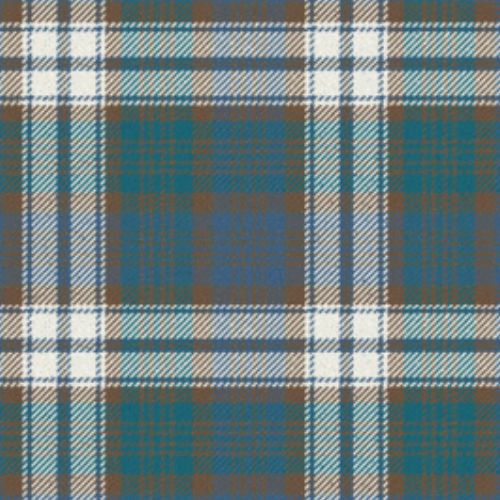
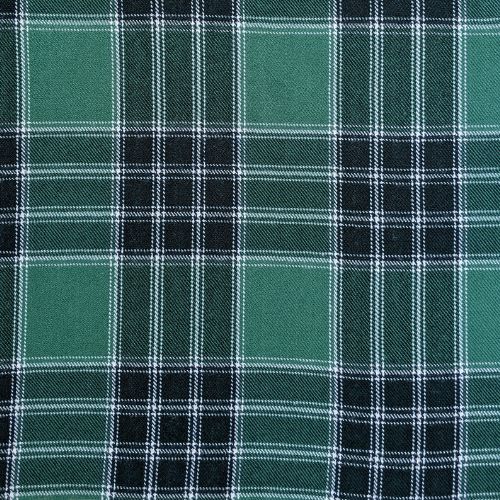
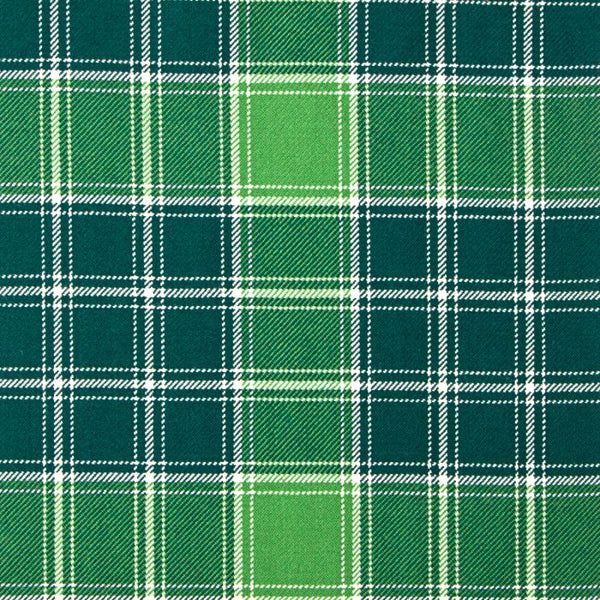
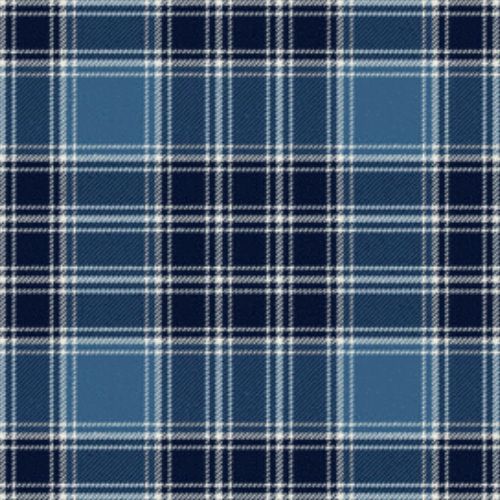
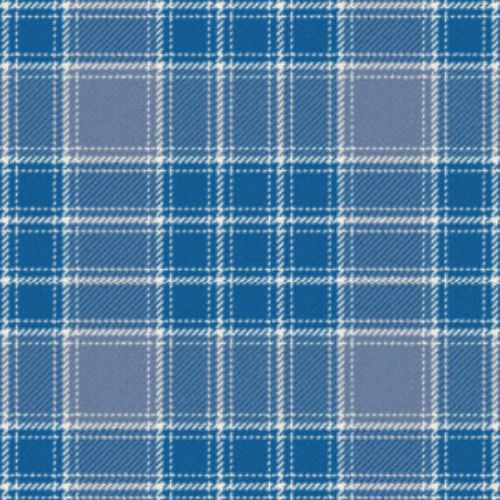
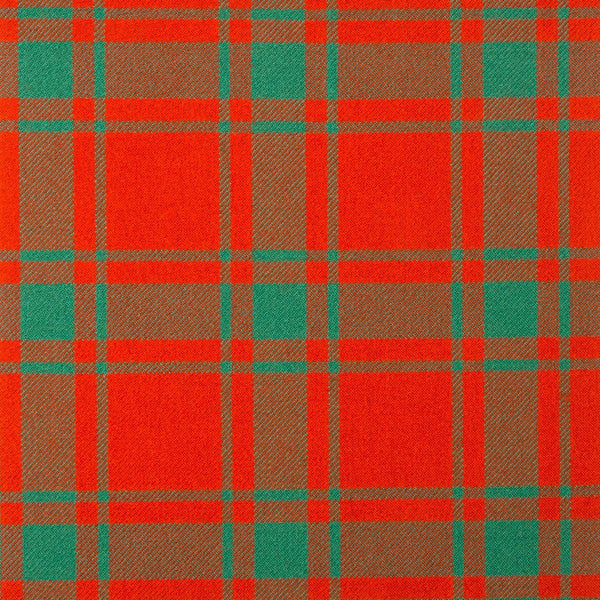
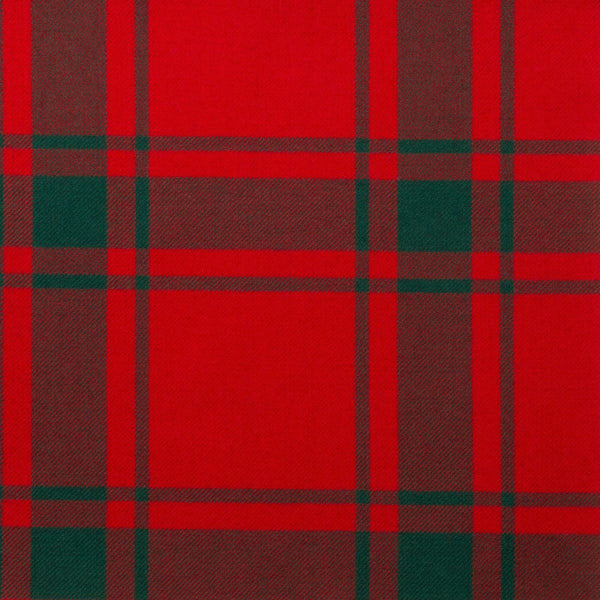
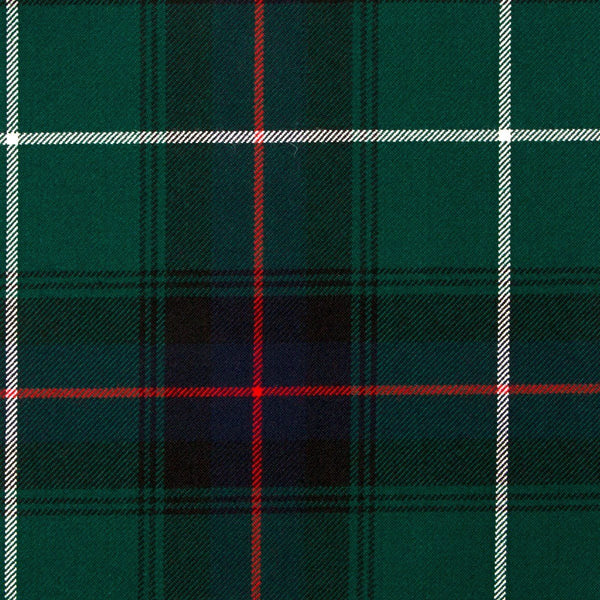
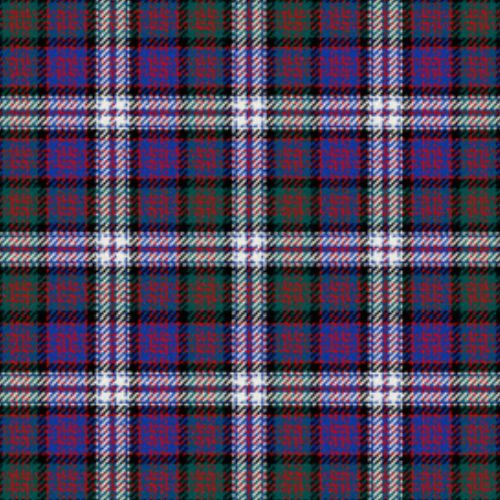
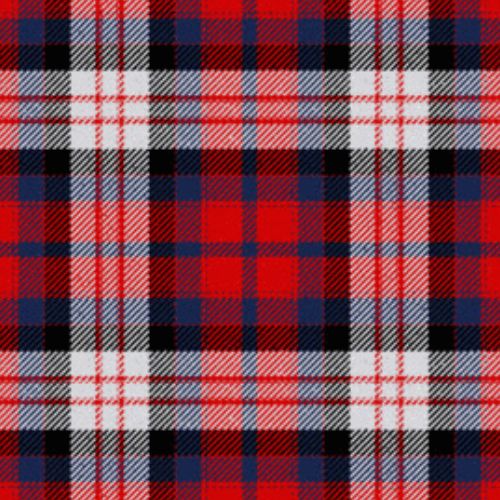
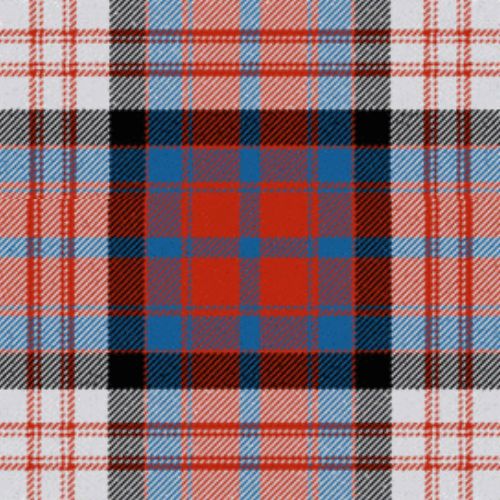
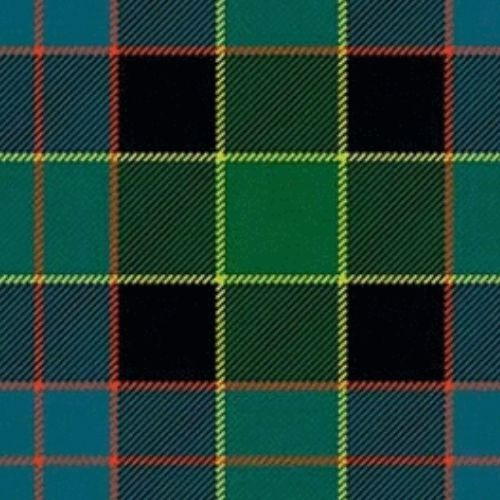
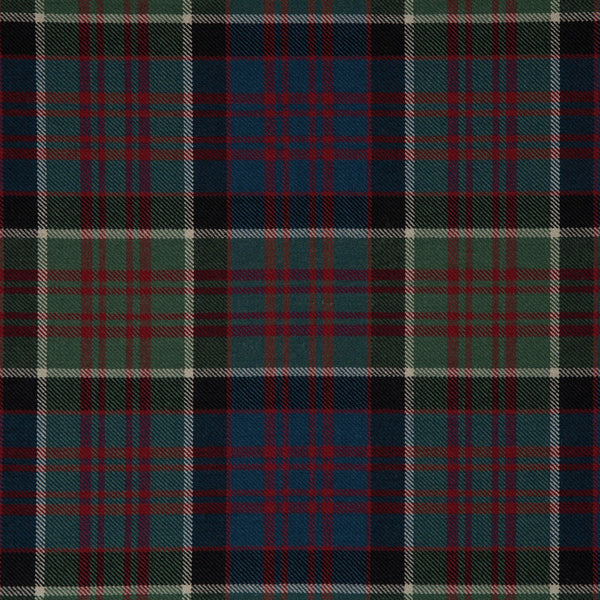
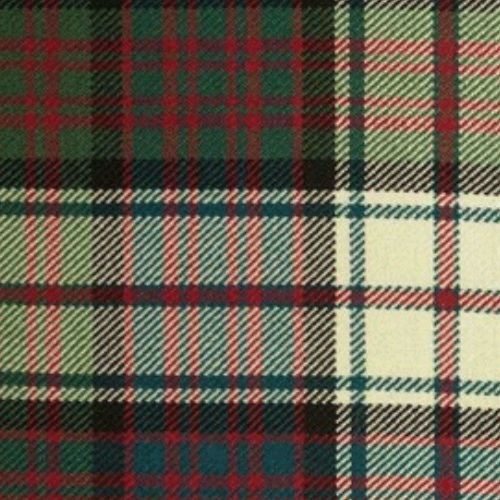
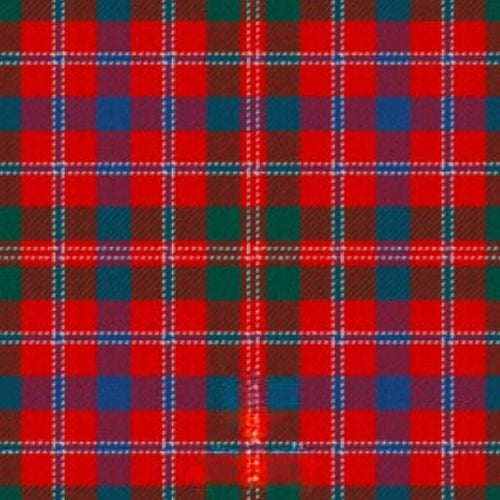
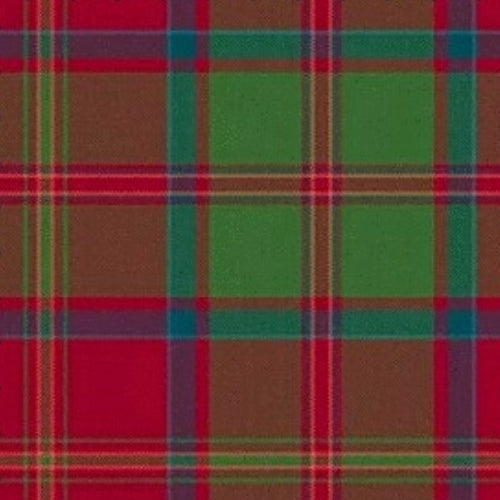
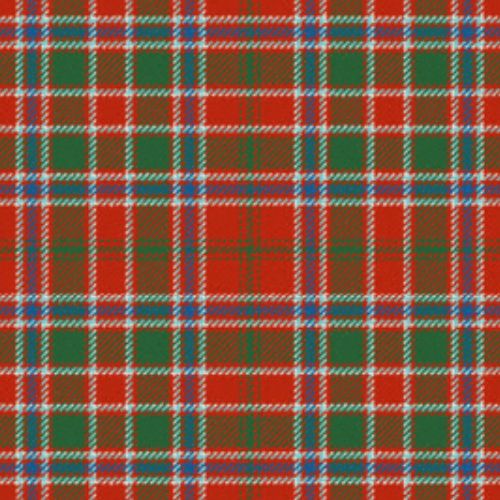
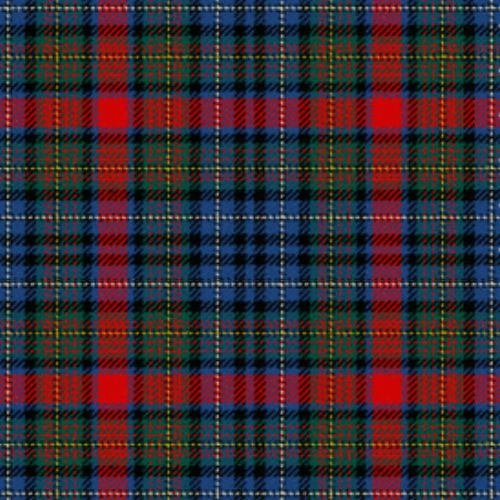
Clan

Macdonald

Clann Dòmhnaill
Highlands & Islands Seat: Finlaggan, Islay Chief: Godfrey MacDonald

The largest clan in Scotland. Descended from Somerled, King of the Isles, MacDonald ruled a maritime kingdom from Kintyre to the Outer Hebrides for over four centuries — and gave rise to the Lordship of the Isles, the title still claimed today by the British Crown.

Is your surname a sept? Try Bowie, Donaldson, MacBeth, Hutcheson, MacGillivary, Whannel, Reaoch, Hewison — and 5 more. See the full sept directory →

Things to know about Clan Macdonald

Gaelic name Clann Dòmhnaill
Motto Per Mare Per Terras
"By sea and by land"
War cry Fraoch Eilean
"The Heather Isle"
Plant badge Common heather
Region Highlands & Islands
Western seaboard, Skye, Hebrides
Seat Finlaggan, Islay
Historical seat of the Lord of the Isles
Current chief Godfrey MacDonald
8th Baron Macdonald of Sleat
Documented tartans 14 tartans · 13 septs
57 tartans · 1 clan family

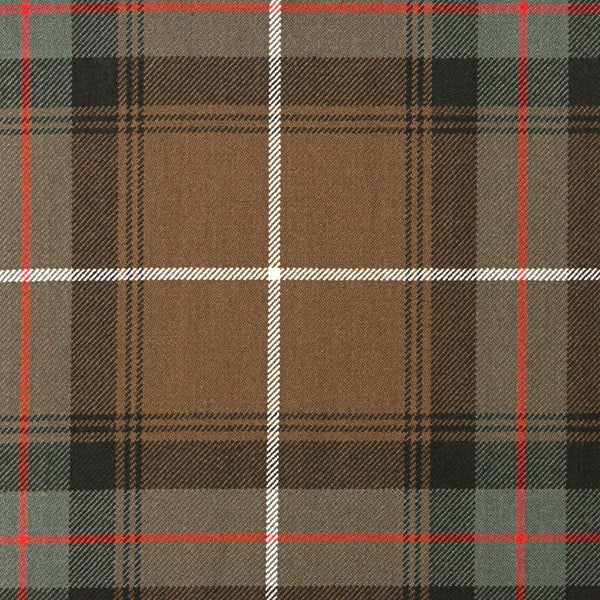
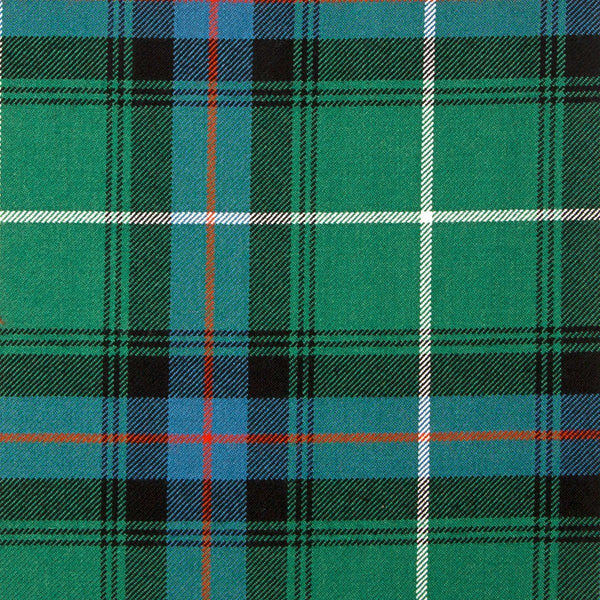
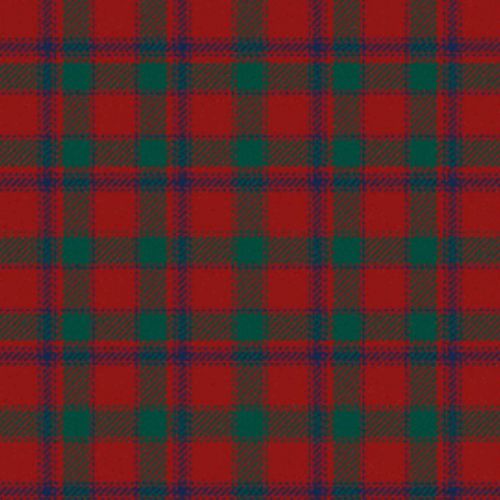
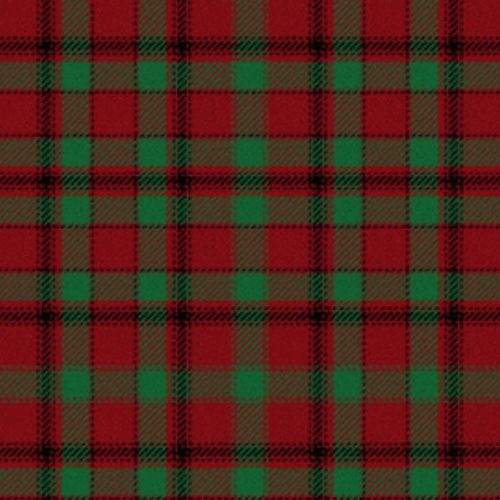
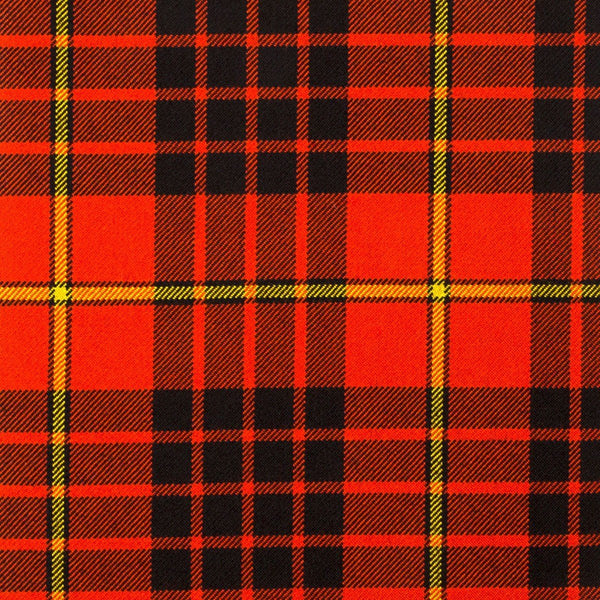
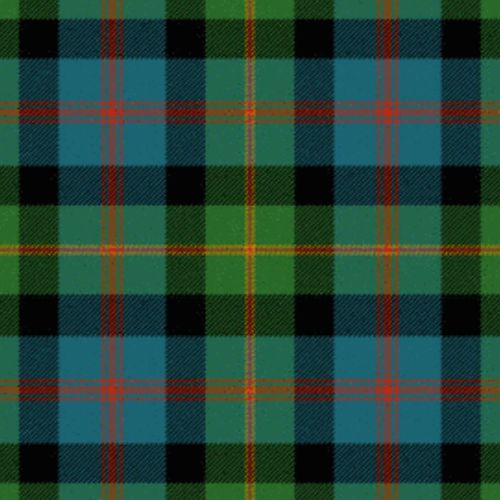
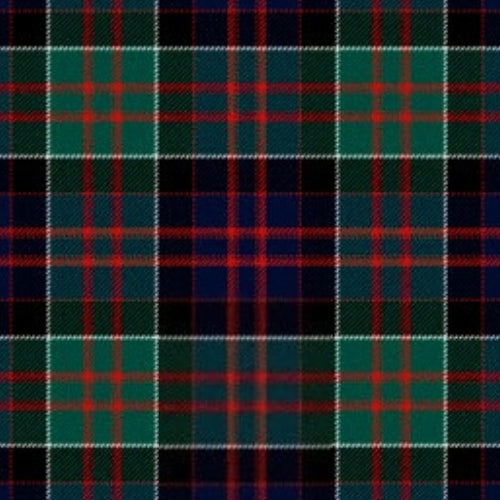
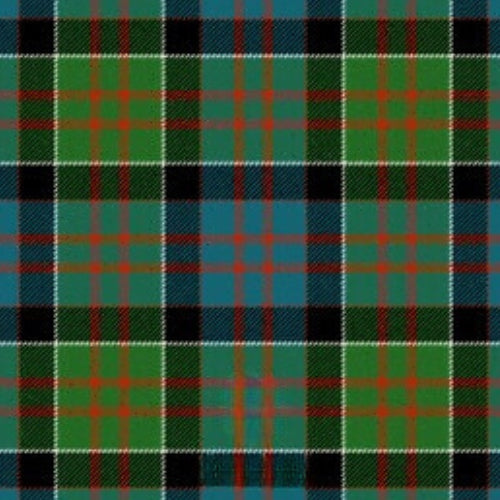
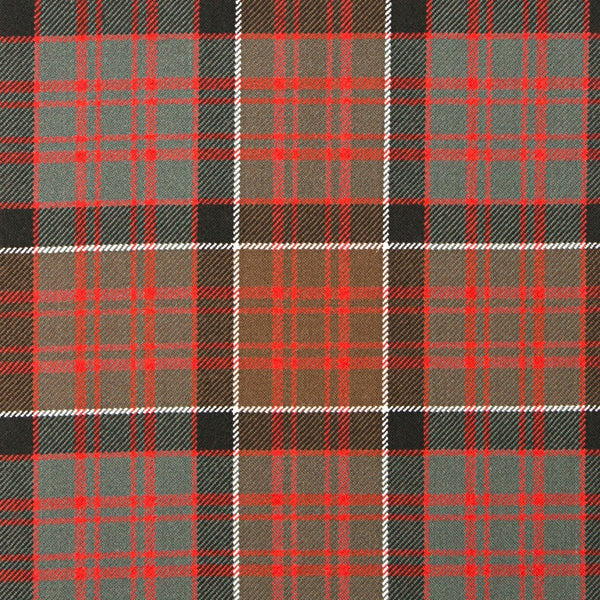
The Macdonald tartans

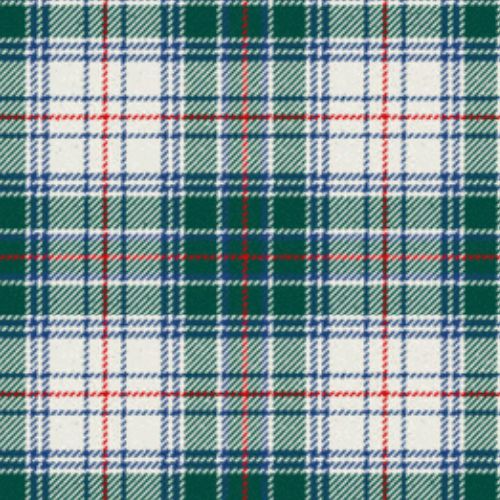
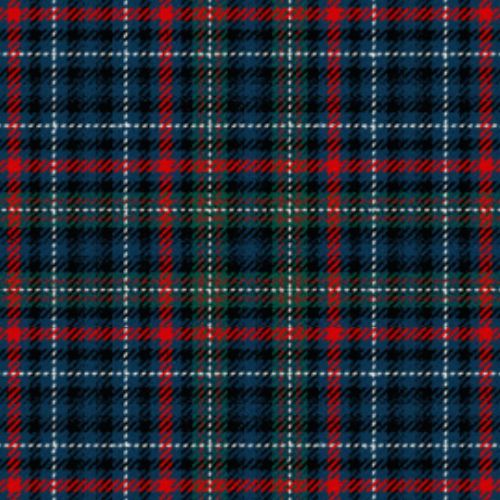
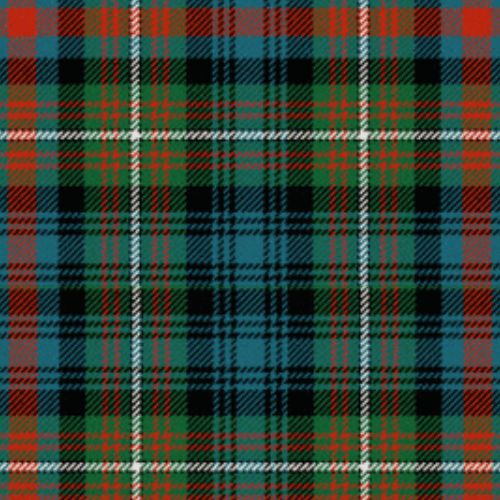
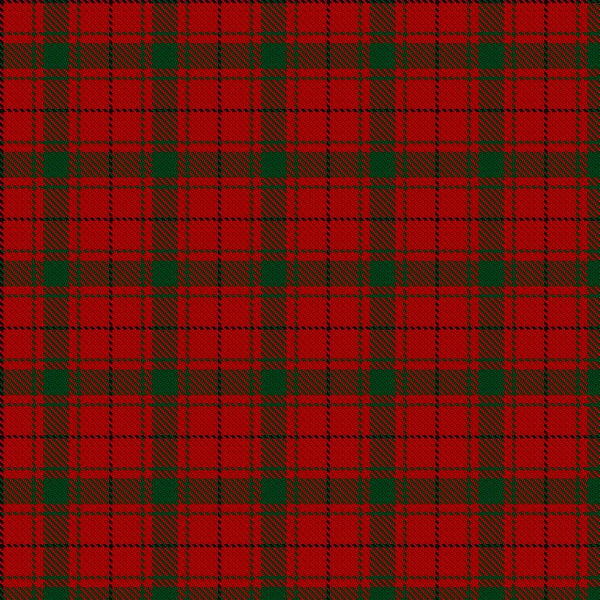
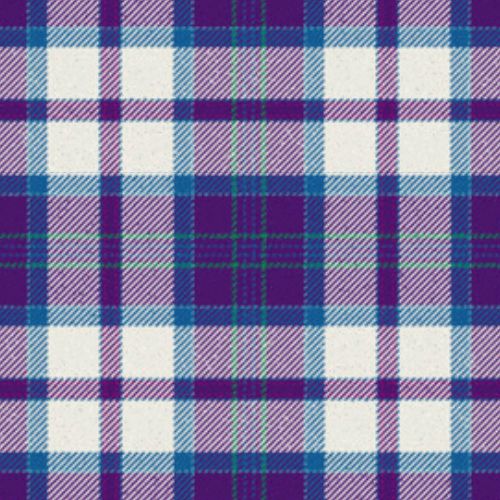
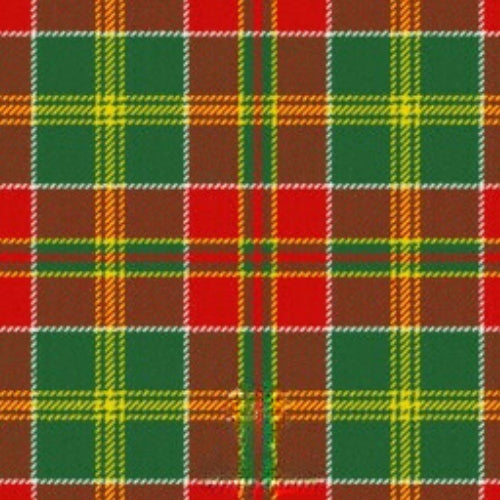
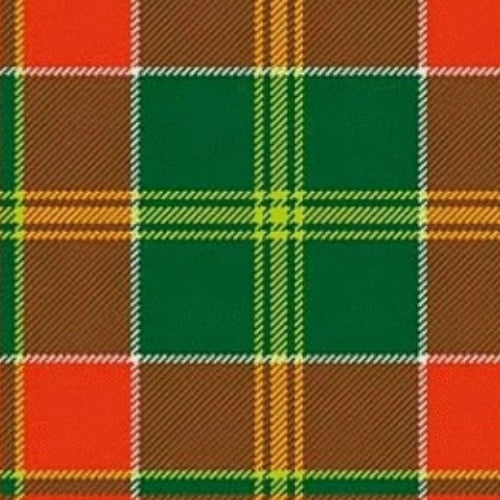
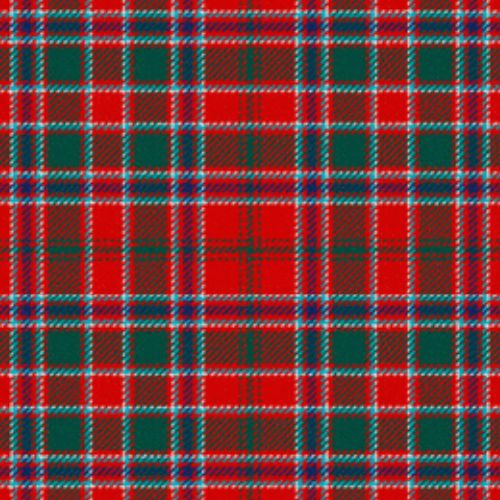
Every documented tartan in our catalogue tied to this clan. Tap a card to view the variant in our configurator.

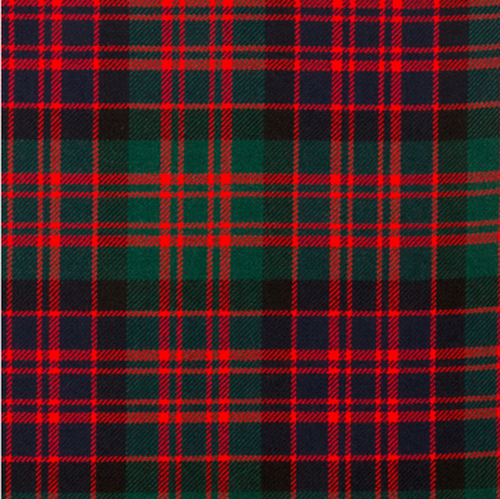
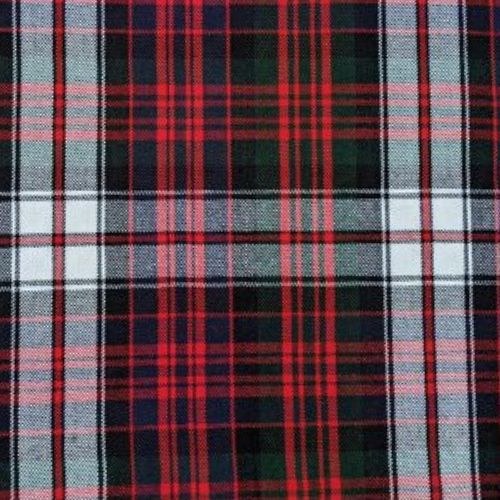
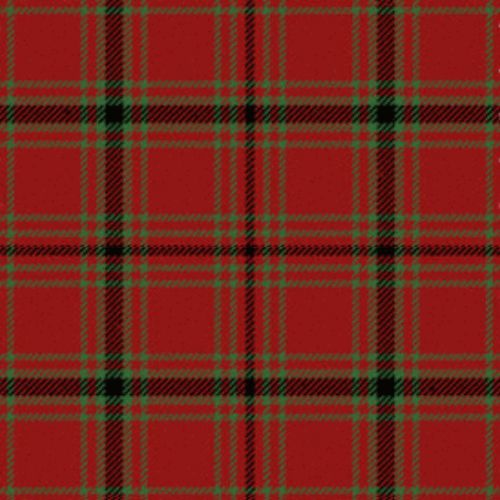
MacDonald Tartan swatch
MacDonald Tartan
View this tartan
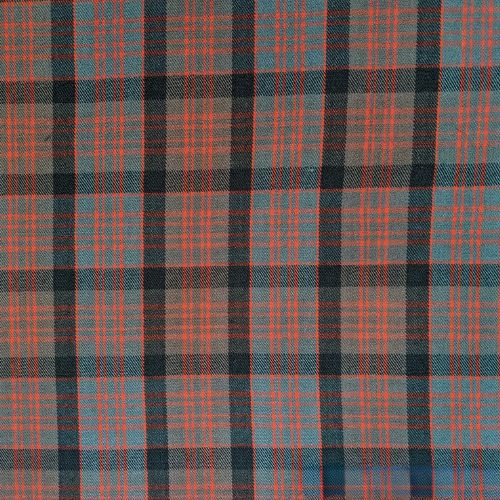
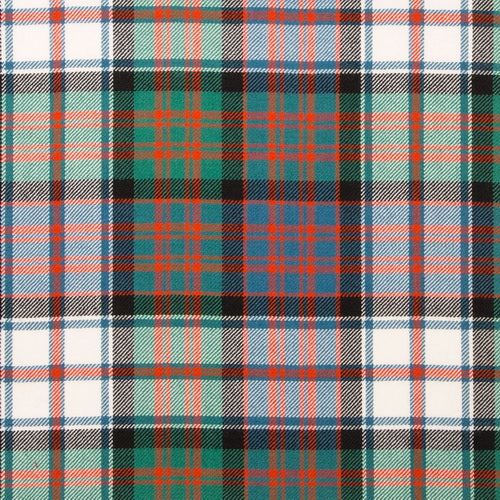
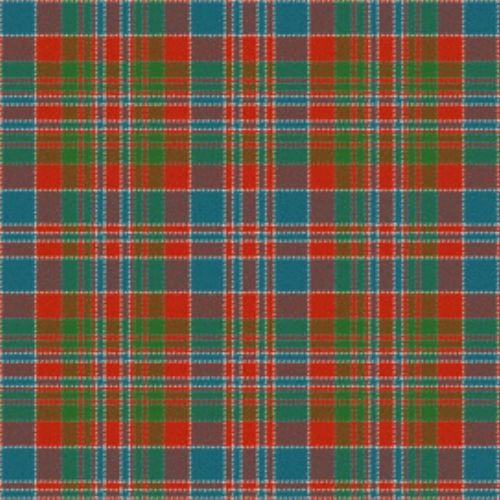
MacDonald Weathered Tartan swatch
MacDonald Weathered Tartan
View this tartan
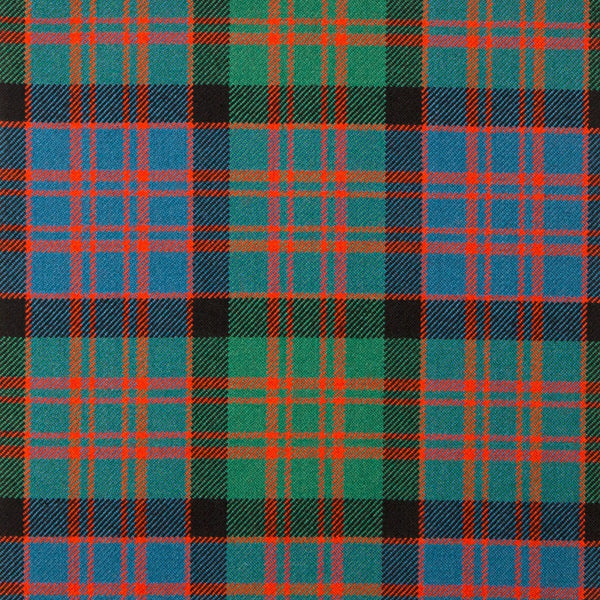
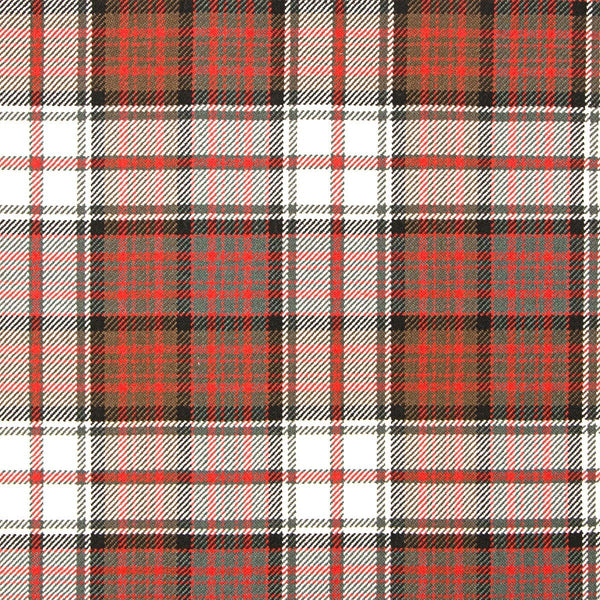
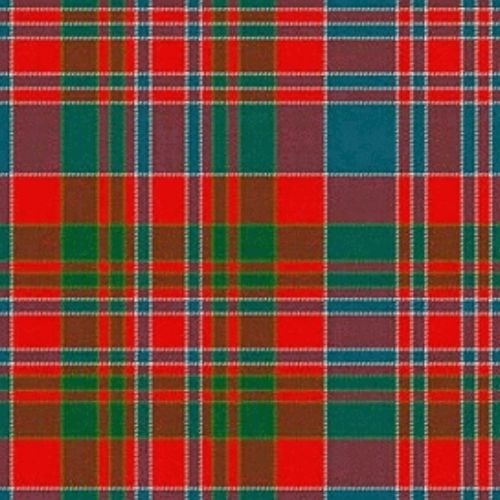
MacDonald Ancient Tartan swatch
MacDonald Ancient Tartan
View this tartan
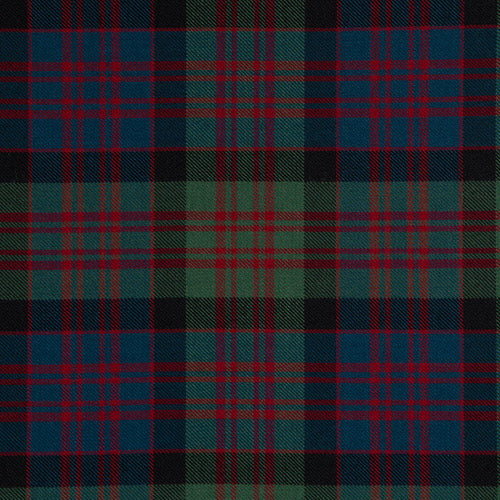
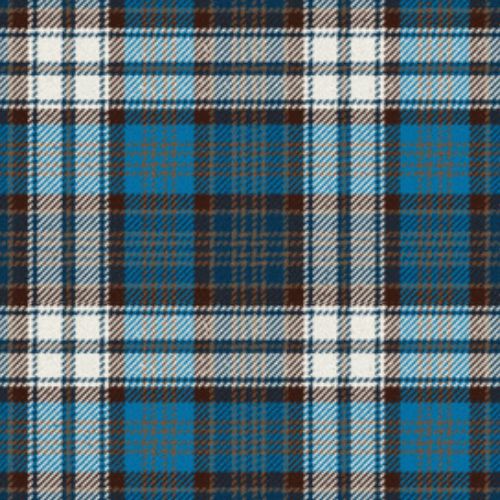
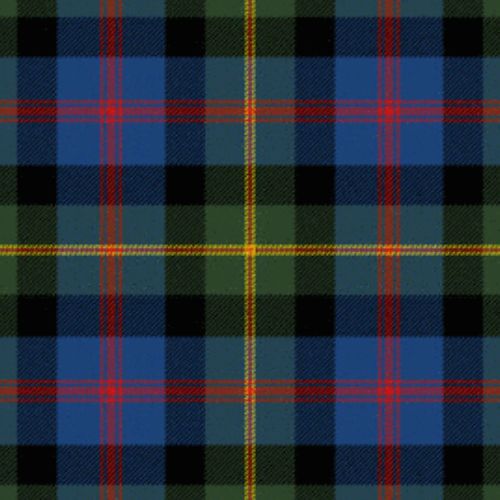
MacDonald Muted Tartan swatch
MacDonald Muted Tartan
View this tartan
MacDonald Dress Tartan swatch
MacDonald Dress Tartan
View this tartan
MacDonald Dress Ancient Tartan swatch
MacDonald Dress Ancient Tartan
View this tartan
MacDonald Dress Weathered Tartan swatch
MacDonald Dress Weathered Tartan
View this tartan
MacDonald Dress Muted Blue Special Tartan swatch
MacDonald Dress Muted Blue Special Tartan
View this tartan
MacDonald Dress Muted Blue Special Ancient Tartan swatch
MacDonald Dress Muted Blue Special Ancient Tartan
View this tartan
MacDonald Lord of the Isles Hunting Tartan swatch
MacDonald Lord of the Isles Hunting Tartan
View this tartan
MacDonald Lord of The Isles Hunting Ancient Tartan swatch
MacDonald Lord of The Isles Hunting Ancient Tartan
View this tartan
MacDonald Lord of the Isles Hunting Blue Tartan swatch
MacDonald Lord of the Isles Hunting Blue Tartan
View this tartan
MacDonald Lord of the Isles Hunting Blue Ancient Tartan swatch
MacDonald Lord of the Isles Hunting Blue Ancient Tartan
View this tartan
MacDonald of Sleat Ancient Tartan swatch
MacDonald of Sleat Ancient Tartan
View this tartan
MacDonald of Sleat Tartan swatch
MacDonald of Sleat Tartan
View this tartan
MacDonald of The Isles Hunting Tartan swatch
MacDonald of The Isles Hunting Tartan
View this tartan
MacDonald of The Isles Hunting Weathered Tartan swatch
MacDonald of The Isles Hunting Weathered Tartan
View this tartan
MacDonald of the Isles Hunting Ancient Tartan swatch
MacDonald of the Isles Hunting Ancient Tartan
View this tartan
MacDonald Clanranald (Chief) Tartan swatch
MacDonald Clanranald (Chief) Tartan
View this tartan
MacDonald Clanranald (Chief) Ancient Tartan swatch
MacDonald Clanranald (Chief) Ancient Tartan
View this tartan
MacDonald Dress Dance Tartan swatch
MacDonald Dress Dance Tartan
View this tartan
MacDonald Dress Irish Tartan swatch
MacDonald Dress Irish Tartan
View this tartan
MacDonald Dress Irish Ancient Tartan swatch
MacDonald Dress Irish Ancient Tartan
View this tartan
MacDonald Flora Tartan swatch
MacDonald Flora Tartan
View this tartan
MacDonald Flora Dance Tartan swatch
MacDonald Flora Dance Tartan
View this tartan
MacDonald Flora Plaid Artifact Tartan swatch
MacDonald Flora Plaid Artifact Tartan
View this tartan
MacDonald Flora Plaid Artifact Ancient Tartan swatch
MacDonald Flora Plaid Artifact Ancient Tartan
View this tartan
Macdonald Lord Of The Isles Tartan swatch
Macdonald Lord Of The Isles Tartan
View this tartan
MacDonald of Aird & Valley Tartan swatch
MacDonald of Aird & Valley Tartan
View this tartan
MacDonald of Aird & Valley  Ancient Tartan swatch
MacDonald of Aird & Valley Ancient Tartan
View this tartan
MacDonald of Ardnamurchan Tartan swatch
MacDonald of Ardnamurchan Tartan
View this tartan
MacDonald Of Ardnamurchan Ancient Tartan swatch
MacDonald Of Ardnamurchan Ancient Tartan
View this tartan
MacDonald of Belfinlay Tartan swatch
MacDonald of Belfinlay Tartan
View this tartan
MacDonald of Boisdale Ancient Tartan swatch
MacDonald of Boisdale Ancient Tartan
View this tartan
MacDonald of Boisdale Tartan swatch
MacDonald of Boisdale Tartan
View this tartan
MacDonald of Borrodale Historic Tartan swatch
MacDonald of Borrodale Historic Tartan
View this tartan
MacDonald of Borrodale Historic Ancient Tartan swatch
MacDonald of Borrodale Historic Ancient Tartan
View this tartan
MacDonald of ClanRanald Tartan swatch
MacDonald of ClanRanald Tartan
View this tartan
MacDonald of ClanRanald Ancient Tartan swatch
MacDonald of ClanRanald Ancient Tartan
View this tartan
MacDonald of ClanRanald Weathered Tartan swatch
MacDonald of ClanRanald Weathered Tartan
View this tartan
Macdonald Of Clanranald Muted Tartan swatch
Macdonald Of Clanranald Muted Tartan
View this tartan
MacDonald of Clanranald Dress Tartan swatch
MacDonald of Clanranald Dress Tartan
View this tartan
Macdonald Of Glenaladale Tartan swatch
Macdonald Of Glenaladale Tartan
View this tartan
MacDonald Of Glencoe Muted Tartan swatch
MacDonald Of Glencoe Muted Tartan
View this tartan
MacDonald of Glencoe Dress Dance Tartan swatch
MacDonald of Glencoe Dress Dance Tartan
View this tartan
MacDonald of KingsBurgh Tartan swatch
MacDonald of KingsBurgh Tartan
View this tartan
MacDonald of KingsBurgh Ancient Tartan swatch
MacDonald of KingsBurgh Ancient Tartan
View this tartan
MacDonald of Lochmaddy Tartan swatch
MacDonald of Lochmaddy Tartan
View this tartan
MacDonald of Lochmaddy Ancient Tartan swatch
MacDonald of Lochmaddy Ancient Tartan
View this tartan
MacDonald of P.E. Island Tartan swatch
MacDonald of P.E. Island Tartan
View this tartan
The clan story

Clan MacDonald — Children of Donald

Origins · Somerled and the Lords of the Isles

The MacDonald story does not begin with a Donald. It begins, in the mid-twelfth century, with Somerled mac Gillebrigte — a half-Norse, half-Gaelic warlord who carved out a sea-kingdom along Scotland's western coast and called himself Rí Innse Gall, King of the Hebrides. Somerled died in 1164 fighting the Stewarts at the Battle of Renfrew; his grandson, Donald of Islay, gave the clan its name. From Donald descend every MacDonald, Macdonell, McDonnell, and MacDonald-sept on earth — a lineage of, by the most recent count, perhaps two million living people.

For three centuries the chiefs of Clan Donald held the title Lord of the Isles — a sovereign authority over the entire western seaboard of Scotland, from the Kintyre peninsula north through Skye and out to the Outer Hebrides. The seat was Finlaggan, a fortified island in a freshwater loch on Islay. From there the Lords of the Isles ran their own parliament (the Council of the Isles), maintained their own galley-fleet of birlinns, and treated with the kings of Scotland, England, and France as equals. At its height in the fifteenth century, Clan Donald commanded an army larger than most European kingdoms could muster.

The Lordship of the Isles was the only Gaelic political authority ever to stand on equal terms with the Scottish Crown. When it fell in 1493, what survived was the kinship — and the cloth.

— from our heritage research files

The Fall and the Branches

The Lordship was forfeited to King James IV of Scotland in 1493 after the last Lord, John of Islay, was accused of treasonable dealings with the English. The clan did not dissolve — it splintered. The major branches that emerged in the centuries after, each with its own chief, its own seat, and eventually its own tartan, are MacDonald of Sleat (Skye, the senior surviving line), MacDonald of Clanranald (the Outer Hebrides and Moidart), MacDonald of Glencoe (whose massacre in 1692 became one of the most notorious episodes in Scottish history), MacDonell of GlengarryMacDonell of Keppoch, and MacDonald of Ardnamurchan. Many Americans whose families trace to MacDonald can name a branch; many cannot. Both are normal.

The clan fought, mostly on the Jacobite side, through the 1689, 1715, 1719, and 1745 risings. After Culloden in 1746, Highland tartan was banned for thirty-six years. MacDonalds kept the cloth in chests, wore it under other clothes, and waited. The ban was lifted in 1782; within a generation, Highland dress had become royal fashion.

The Clan Today

The current chief is Godfrey James Macdonald, 8th Baron Macdonald of Sleat, recognised by the Court of the Lord Lyon as High Chief of Clan Donald. Clan Donald is the largest of all Scottish clans, with active societies in Scotland, the United States (Clan Donald USA), Canada, Australia, and New Zealand. The clan operates Armadale Castle on Skye as the Clan Donald Centre, a museum and study centre. Members number, by various estimates, somewhere between one and two million worldwide. If your surname is MacDonald, McDonald, Macdonald, M'Donald, McDonnell, or any of the thirteen recognised sept names, you belong to this lineage.

Sources:The Clan Donaldby Rev. A. MacDonald and Rev. A. MacDonald (3 vols, 1896–1904) ·The Lordship of the Islesby Norman Macdougall (1989) ·Scottish Register of Tartans·Court of the Lord Lyon·Clan Donald USA
Across the Atlantic

MacDonald in America

No Scottish clan left a deeper mark on the American landscape than Donald. Six waves of emigration over three centuries planted MacDonalds in every state of the Union — but four regions in particular still feel the influence.

The Cape Fear Valley — the largest Highland enclave in colonial America

In 1739, the brigantine Thistle sailed from Argyll to Brunswick, North Carolina, carrying 350 Highland Scots — many of them MacDonalds — to a land grant on the upper Cape Fear River. They were the vanguard. By 1775, the Cape Fear Valley around modern Fayetteville and Wilmington was home to an estimated twelve thousand Gaelic-speaking Highlanders, the densest concentration of Highland Scots anywhere outside Scotland. Flora MacDonald — the same Flora who had helped Bonnie Prince Charlie escape the Hebrides in 1746 — settled in the valley in 1774 and stayed until 1779. Gaelic remained a working public language in the Cape Fear region into the 1830s.

Glengarry County, New York & Ontario

After the American Revolution, Loyalist Highland Scots — including a large MacDonell of Glengarry contingent — were forced north into Canada. They founded Glengarry County in eastern Ontario in 1784 and named every road after their old glens. A century later, MacDonell descendants from Glengarry crossed back south into upstate New York and the Mohawk Valley, where the surname remains common to this day.

The Highland Clearances, 1810–1860

The forced removals of the nineteenth century drove the second great MacDonald exodus. Where the eighteenth-century wave had been concentrated, this one scattered: Nova Scotia (especially Cape Breton), Prince Edward Island, the Carolinas, Georgia, and — once the Cumberland Gap opened — westward across Tennessee and Kentucky into the Midwest. Michigan, Wisconsin, and Minnesota all received significant Highland Scots populations in this wave, MacDonalds prominent among them.

~12,000
Cape Fear Highlanders by 1775
1.5M+
Americans claiming MacDonald descent
200+
US Highland Games annually
Clan society
Clan Donald USA

The largest Clan Donald society in the world, with chapters in all fifty states. Annual gatherings, genealogical research support, and an active publishing programme. clandonaldusa.org

Heritage centre
Scottish Tartans Museum

Franklin, North Carolina — the only museum of Scottish tartans in the United States. MacDonald variants on permanent display.

Cultural milestone
National Tartan Day

Declared by US Senate Resolution in 1998 and signed into US Presidential Proclamation in 2008. April 6 each year — the anniversary of the 1320 Declaration of Arbroath.

Major US Highland Games with Clan Donald tents

Grandfather Mountain Games
Linville, NC · second weekend of July
Stone Mountain Highland Games
Stone Mountain, GA · mid-October
Pleasanton Scottish Games
Pleasanton, CA · Labor Day weekend
Loon Mountain Highland Games
Lincoln, NH · third weekend of September
NYC Tartan Week
Manhattan · first week of April

Notable MacDonald Americans

1722
Flora MacDonald
The Jacobite heroine who saved Bonnie Prince Charlie. Settled in Anson County, NC, 1774–1779.
1815
George B. McClellan
Union general, McDonnell-descended on his mother's side. Commanded the Army of the Potomac.
1939
Norman Mailer
Pulitzer Prize-winning novelist. Maternal grandmother was a MacDonald of Cape Breton stock.
McDonald · Macdonald · M'Donald

All spellings, one clan

The McMac, and M' question

All these spellings are the same name. Mac is the Scottish Gaelic word for "son of" — the original full prefix. As Highlanders moved into Lowland Scotland, then Ulster, then the American colonies, parish clerks and ship's pursers each wrote the name the way they heard it. The shorter Mc spelling became dominant in Ulster and from there in the colonies; Mac stayed common in Scotland.

Whatever spelling appears on your birth certificate, marriage record, or family Bible, you wear the same tartan and belong to the same clan.

MacDonaldThe Scottish-Gaelic original
McDonaldUlster & American dominant form
MacdonaldLowercase-d Anglicisation
M'Donald19th-c. printing convention
McDonnellAntrim & Irish-emigrant form
MacDonellGlengarry & Keppoch branches
Frequently asked

Questions about Clan Macdonald

Answers to the questions we hear most often from customers and visitors researching their lineage.

Is McDonald the same clan as MacDonald?

Yes. McDonald, MacDonald, Macdonald, M'Donald, McDonnell, and MacDonell are all spelling variants of the same Gaelic name — Mac Dhòmhnaill, meaning "son of Donald." The shorter Mc spelling became dominant in Ulster and from there in the American colonies; Mac stayed common in Scotland. Whatever spelling appears on your birth certificate, you belong to Clan Donald and wear the same tartan.

How do I know which MacDonald branch I'm from?

The major branches are Sleat (Skye), Clanranald (South Uist, Moidart), Glencoe (Lochaber), Glengarry (Knoydart), Keppoch (Brae Lochaber), and Ardnamurchan (Ardnamurchan peninsula). Branch is usually determined by geography — which part of Scotland your family emigrated from — and by surname spelling (McDonell often indicates Glengarry or Keppoch). If you don't know your branch, the main MacDonald tartan is the universally accepted default and is what most diaspora descendants wear. Our heritage team can help you trace your specific branch from family records.

Which MacDonald variant should I wear — Modern, Ancient, Hunting, Dress, or Weathered?

All five are the same MacDonald pattern in different colour saturations. Choose by occasion: Modern for weddings, Highland Games, and most formal occasions — the bold post-1860 colours. Ancient for a softer, more authentic pre-industrial look. Hunting for fieldwear, autumn, and everyday wear in muted earth tones. Dress (which weaves white into the sett) for formal evening occasions and christenings. Weathered for a worn-in vintage feel that reads as historical. If in doubt, Modern is the safe default. See the variant tabs above for full descriptions and product options.

My surname is a sept of MacDonald — can I wear the MacDonald tartan?

Yes. Septs share the parent clan's tartan in full — every variant, every weight, every cut. If your surname is Bowie, Donaldson, MacBeth, Hutcheson, MacGillivary, MacHugh, MacEachern, MacRorie, Whannel, Hewison, Reaoch, MacKinlay, or Burke, you wear the MacDonald tartan. See our full sept directory above for the historical context of each.

What was the Massacre of Glencoe and how does it relate to MacDonald?

On 13 February 1692, soldiers of Argyll's Regiment of Foot — under government commission and acting on a warrant signed by King William III — massacred 38 members of the MacDonald of Glencoe clan in their homes after accepting their hospitality for twelve days. Another 40 women and children died of exposure in the snow after fleeing. It is remembered as one of the most notorious violations of dùthchas, the Highland custom of hospitality, in Scottish history. The Glencoe MacDonalds are a recognised branch and have their own distinctive darker tartan. See the Glencoe branch page for the full history.

Who is the current Chief of Clan Donald?

Godfrey James Macdonald, 8th Baron Macdonald of Sleat, recognised by the Court of the Lord Lyon as High Chief of Clan Donald. He succeeded his father in 1970 and is the senior representative of the Sleat line — the senior surviving branch of Clan Donald. The Chief is supported by the chiefs of the other branches (Clanranald, Glengarry, Keppoch) through the Clan Donald Lands Trust, which administers Armadale Castle on Skye as the Clan Donald Centre. The Court of the Lord Lyon maintains the official recognition of clan chiefly succession.

What is the Clan Donald motto and what does it mean?

The clan motto is Per Mare Per Terras — Latin for "By sea and by land." It commemorates the historical scope of the Lordship of the Isles, which commanded both the western seaboard galleys (the birlinns) and the inland Highland glens. The motto is universally borne by all branches of Clan Donald, alongside the older clan war cry Fraoch Eilean ("The Heather Isle"), which refers to a small island off Kintyre that was the rallying point for the clan's galley fleet.

Where can I research my MacDonald genealogy?

For US-based MacDonald research, Clan Donald USA maintains a genealogical research programme and a comprehensive surname database covering most diaspora MacDonald families. Their researchers have access to records that aren't online elsewhere. For Scottish records, ScotlandsPeople (the National Records of Scotland) holds birth, marriage, and death records back to 1855 and parish records back to the 16th century. FamilySearch (free, run by the LDS Church) holds extensive transcribed Scottish parish records, and the Scottish Tartans Authority can verify your eligibility to wear specific MacDonald branch tartans.