


Lindsay Tartan
Browse the complete Lindsay tartan range — kilts, jackets, fabric by the metre, scarves, ties and sashes in Ancient, Modern, Weathered and Dress, made to order.
Acrylic Yarn · Machine Washable
200+ products
from
$10.00
 Lindsay Tartan
Right for you if
you want a formal Highland kilt that reads correctly at any event — weddings, Burns Nights, regimental dinners. The canonical, safest choice.
Fabric per Yard
Minimum order is 10 yards.
+
Full specification
Material
Dispatch
Community
No tartan variants found for this collection.
Each Tartan metaobject needs choose_collection set to Lindsay.
Step 2 · Choose your product
Products in Lindsay
Every item below is woven in the variant you selected above. Switch the variant at any time — the catalogue rebuilds in place.
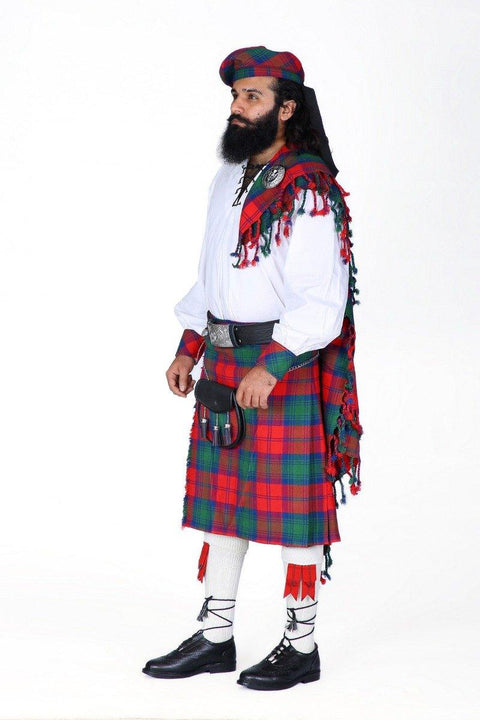
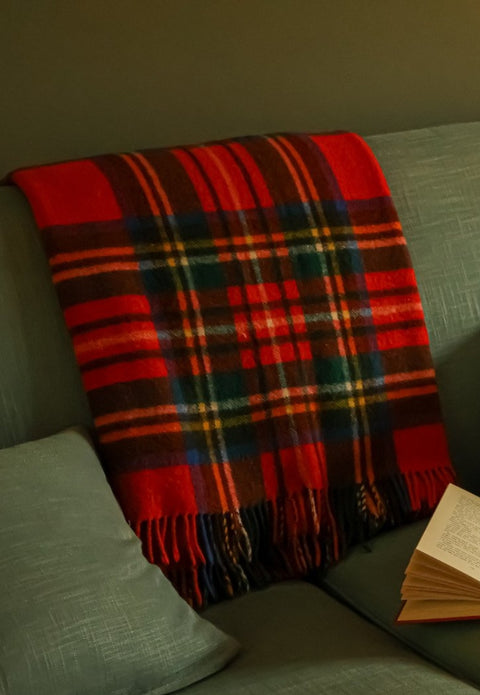
Lindsay Tartan Blanket & Throw

Lindsay Zip-Master Rucksack

Lindsay Wrap-Around pleated Skirt

Lindsay Wrap Around Pleated Plaid Short Skirt

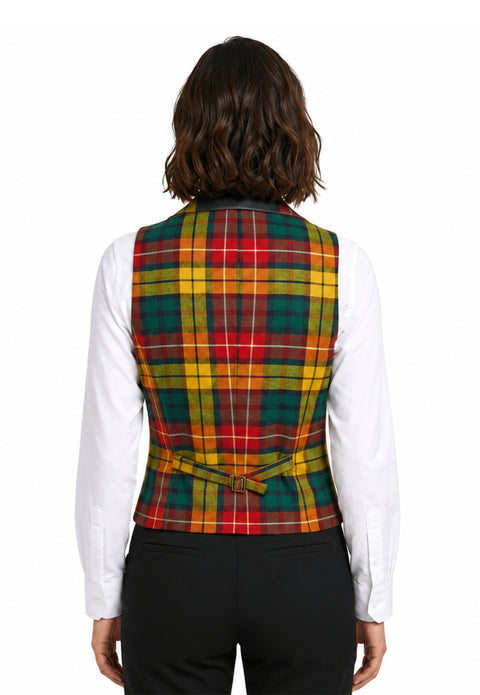
Lindsay Women's Tartan Waistcoat with Lapels

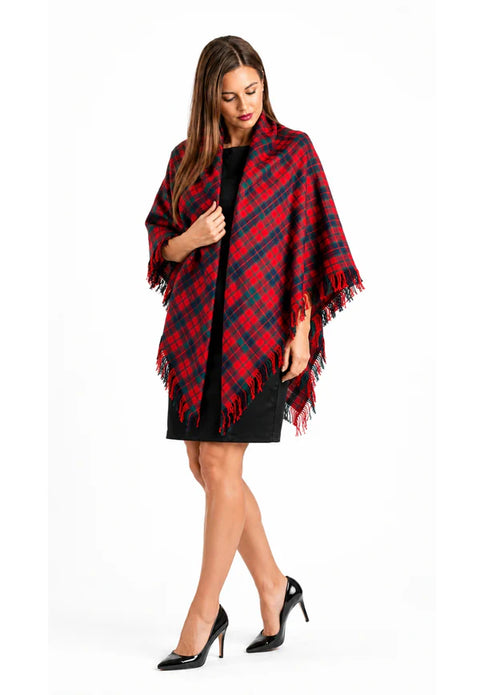
Lindsay Women's Tartan Shawl

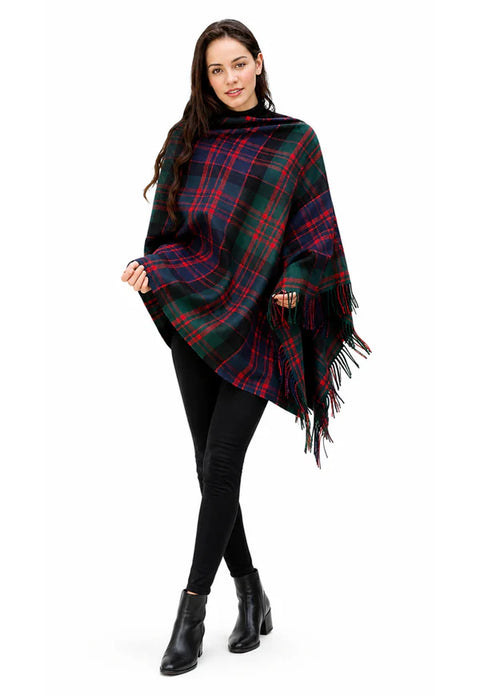
Lindsay Women's Tartan Poncho

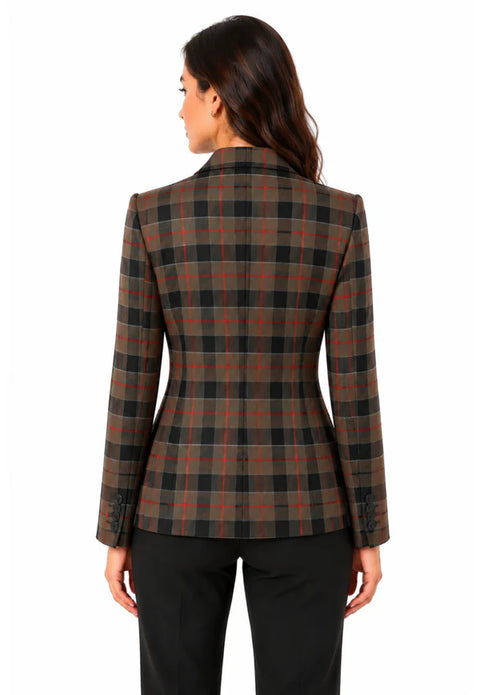
Lindsay Women's Tartan Jacket 2 Button Fastening

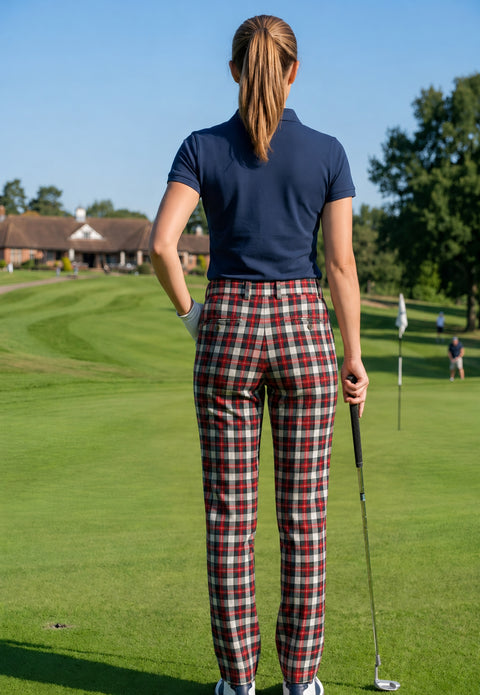
Lindsay Women's Tartan Golf Trouser

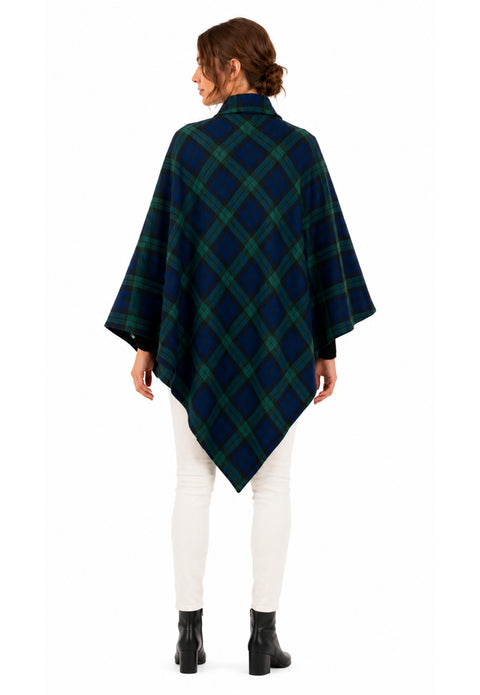
Lindsay Women's Tartan Cape

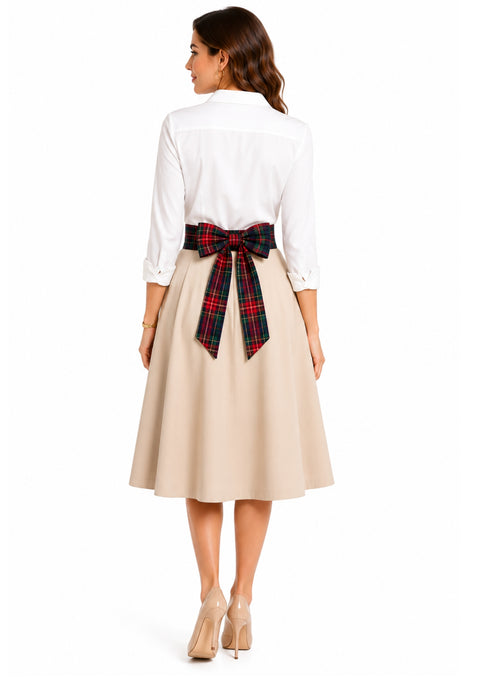
Lindsay Women's Tartan Bow Belt

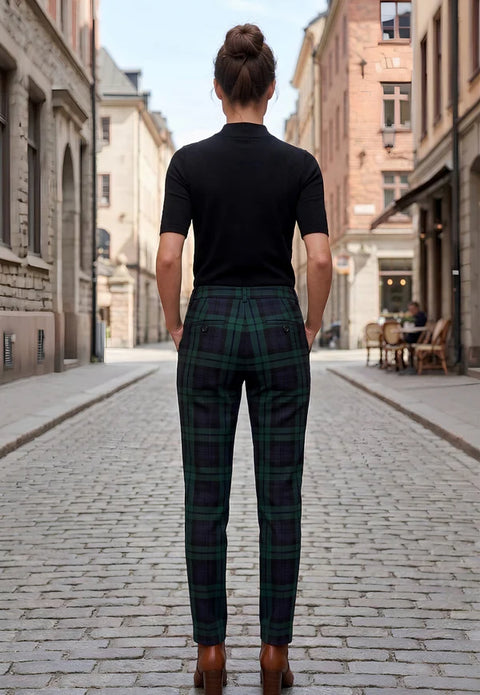
Lindsay Women's Slim Cut Tartan Trousers

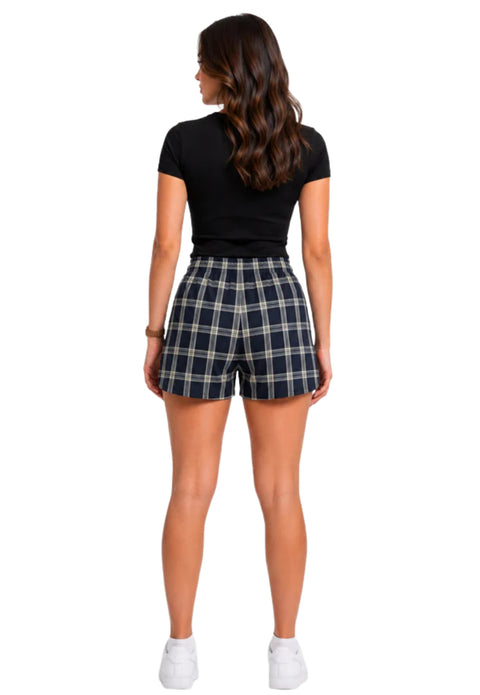
Lindsay Women's Plaid Shorts

Lindsay V-Cut Tartan Skirt

Lindsay Unisex Gothic Plaid Punk Pant

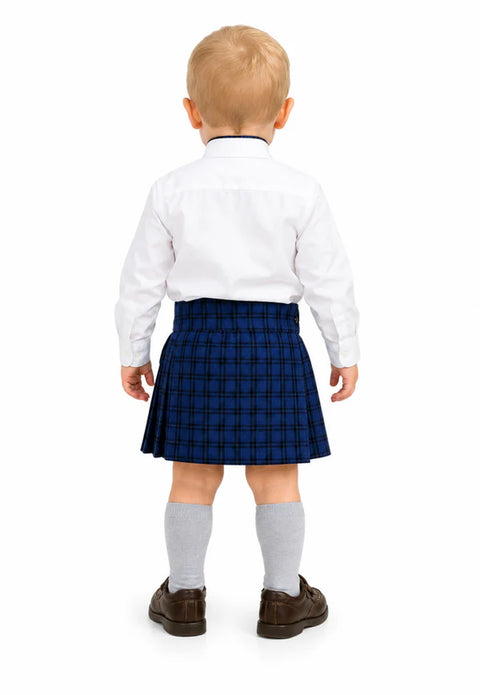
Lindsay Toddler Tartan Kilt

Lindsay Tartan Zip Purse

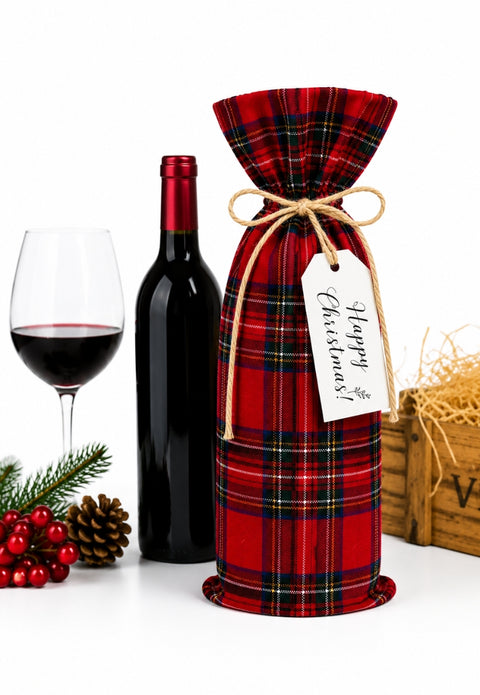
Lindsay Tartan Wine Gift Bag

Lindsay Tartan Wedding Garters

Lindsay Tartan Waistcoat with Straight Cut Bottom

Lindsay Tartan Vest With Lapels

Lindsay Tartan Twirl Skirt

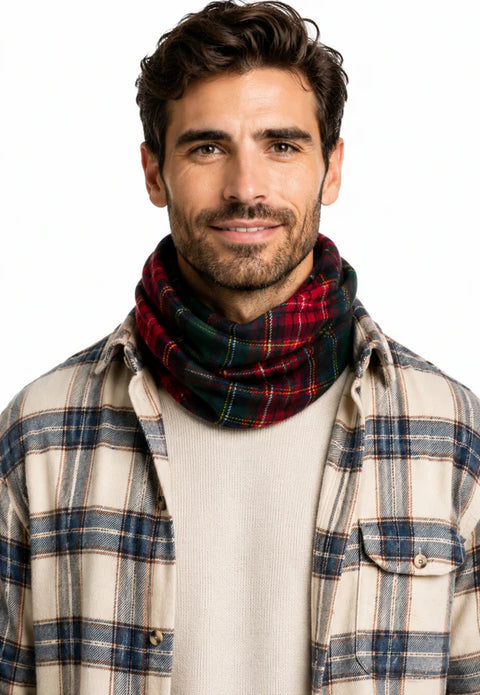
Lindsay Tartan Tube Scarf
No products match your search.
Save when you order together
Lindsay Tartan Deals
Three pre-built outfits at three price points. Everything sized once, shipped together, ready to wear.
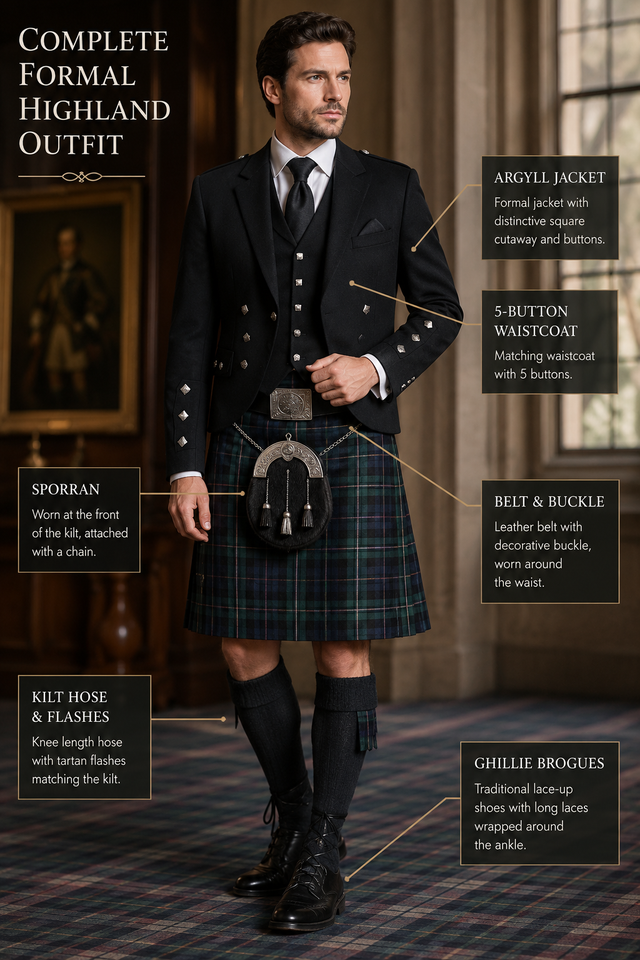
The Wedding Deal
Complete Formal Outfit
Everything you need to walk down the aisle in Highland dress.
- 5 or 8 Yards Kilt
- Argyll Jacket & 5-Button Waistcoat
- Sporran
- Kilt Hose, Flashes
- Belt & Buckle
- Ghillie Brogues
$306
$280
Save $26
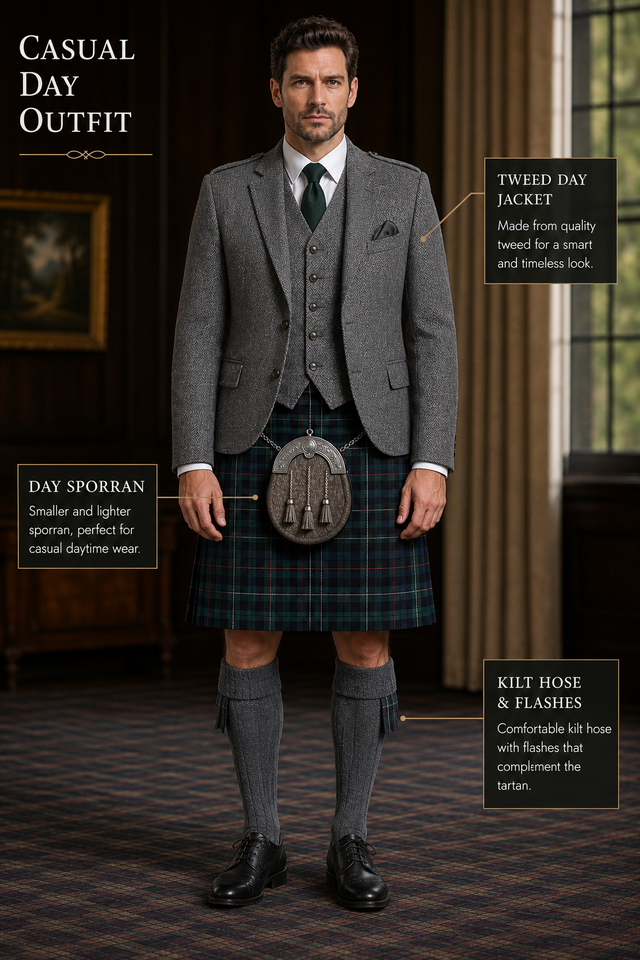
The Highland Games Deal
Casual Tweed Outfit
Everything you need to walk down the aisle in Highland dress.
- 5 or 8 Yards Kilt
- Tweed Day Jacket & Vest
- Day Sporran
- Kilt Hose & Flashes
$239
$213
Save $26
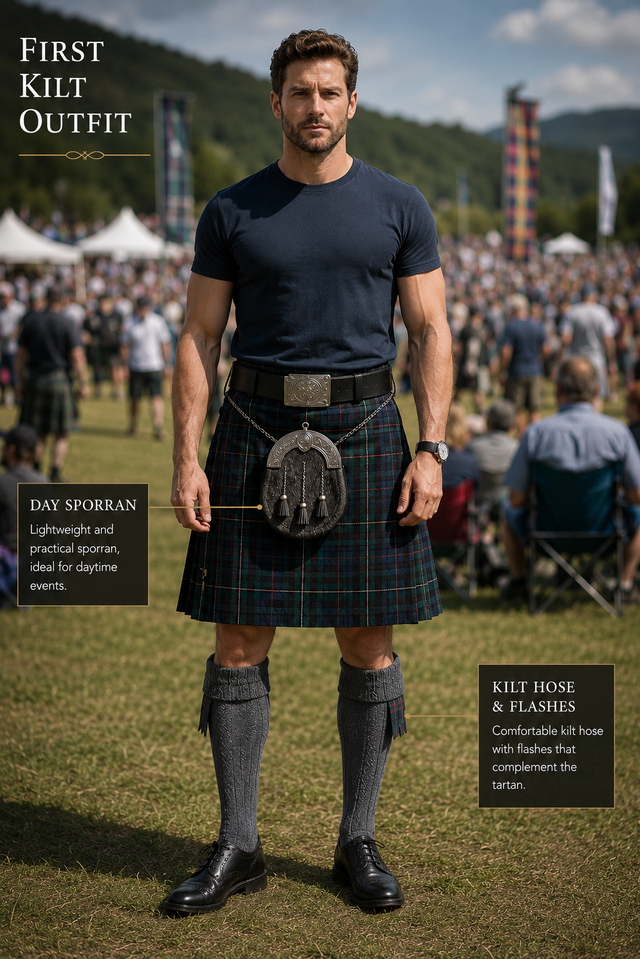
The Essential Starter
First Kilt Outfit
Everything you need to walk down the aisle in Highland dress.
- 5 or 8 Yards Kilt
- Highland Kilt Shirt
- Day Sporran
- Kilt Hose & Flashes
$166
$142
Save $24
From real buyers
What buyers say about Lindsay
★★★★★
From — verified buyers
i.
Explore Lindsay Tartan Products
Kit yourself out in Lindsay tartan — kilts and outfits, fabric by the metre, plus scarves, ties and sashes, each made to order in your chosen colourway.
ii.
Kilts & Highland Outfits in Lindsay Tartan
Get the full Highland look in Lindsay tartan: kilts, kilt skirts, jackets and outfit packages, all sized to fit and ready for formal or casual wear.
iii.
Lindsay Tartan Shades Explained
The Lindsay tartan comes in several colourways. Modern is deep and strong, Ancient is lighter and softer, Weathered looks muted and aged, and Dress is brighter and more formal. Choose yours on each product page.
iv.
Lindsay Tartan Fabric by the Metre
Pick up Lindsay tartan fabric by the length for sewing, upholstery or accessories. Weights and swatches are listed so you can match your project exactly.
v.
Accessories & Gifts in Lindsay Tartan
Complete the look or treat someone with Lindsay tartan accessories — scarves, ties, sashes, flashes and ribbon are all available.
vi.
Custom Orders & Worldwide Shipping
Made to order and sent worldwide: Lindsay tartan kilts, outfits and accessories can be sized to fit, with bulk pricing for groups and events.
The variants
The full tartan family
Every documented variant of this tartan. Tap a variant to load it into the configurator at the top of the page.
No tartan variants found for this collection.
Frequently asked
Common questions
We deliver Lindsay tartan orders globally, with tracked shipping options shown at checkout.
Yes. Lindsay tartan scarves, ties, sashes and small goods make popular gifts and ship quickly when in stock.
Yes. Lindsay kilts are made to your exact measurements, with 5-yard and 8-yard heavyweight options. Custom sizing and bulk orders for weddings and pipe bands are welcome. Start with the Lindsay Bespoke Kilt.
Yes. Ladies' Lindsay tartan sashes, shawls, scarves and skirts are available alongside the kilts and accessories.
The Lindsay tartan comes in Modern (deep, strong shades), Ancient (lighter, softer tones), Weathered (muted, aged look) and Dress (brighter, more formal). You choose the colourway on each product page. You can also explore Lindsay Smibert Lindsay New tartan and the Lindsay Smibert Lindsay New Ancient tartan.
Yes. Tartan is freely worn today, so anyone may buy and wear the Lindsay tartan for weddings, events or everyday style. To compare the Lindsay tartan with other setts, browse our tartan finder. The Lindsay name has its own story — read the full Clan Lindsay history.
Yes. We supply Lindsay tartan for whole wedding parties and groups, with matching kilts, sashes and accessories and bulk pricing on larger orders.
The Lindsay tartan collection includes kilts, Highland dress, jackets, fabric by the metre, scarves, ties, sashes and gifts — all woven in the Lindsay sett and available in Ancient, Modern, Weathered and Dress colourways.
