Clan Bruce — Origins & History
Origins · The early Bruce line
Clan Bruce takes its place among the historic families of Borders & Fife. The line is traditionally traced to Robert de Brus, and over the centuries the Bruce chiefs built the territory, alliances and identity that the name still carries today.
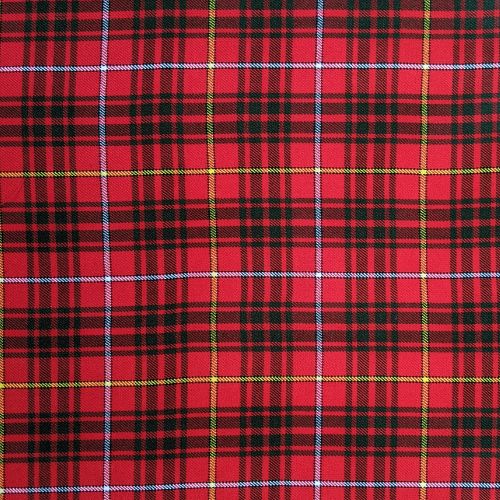
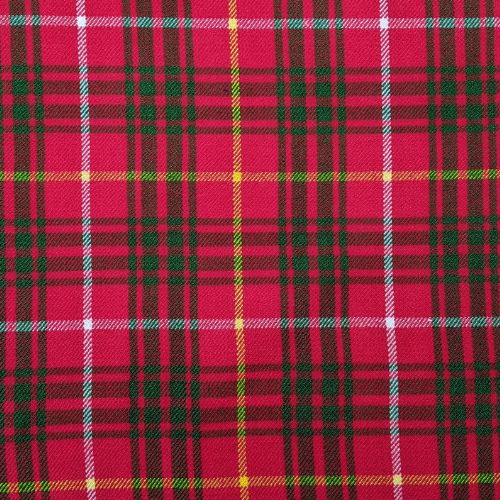
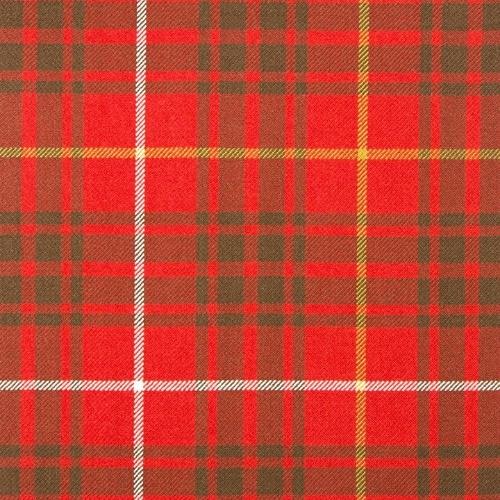
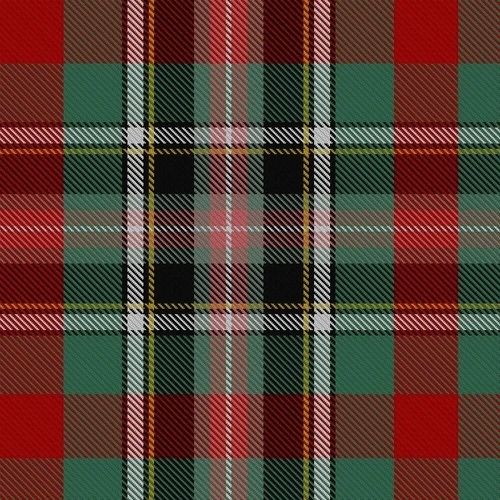
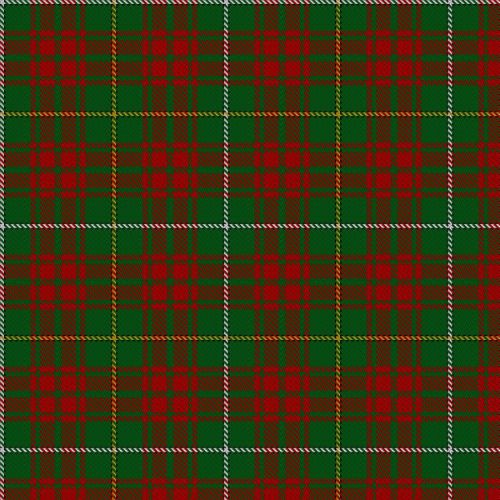
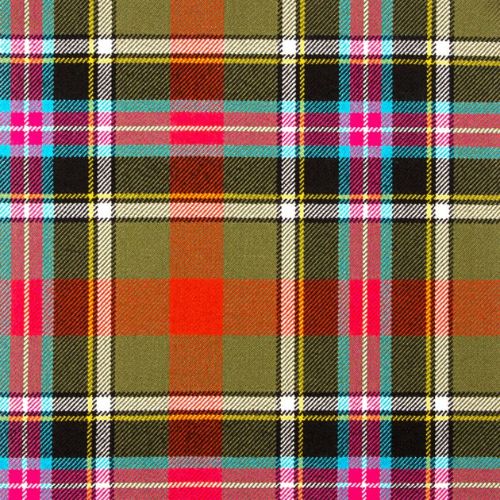
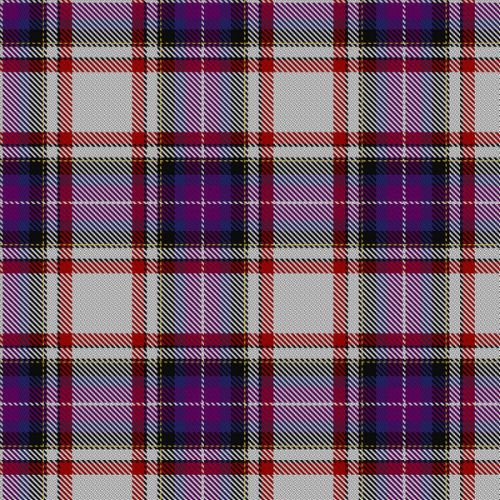
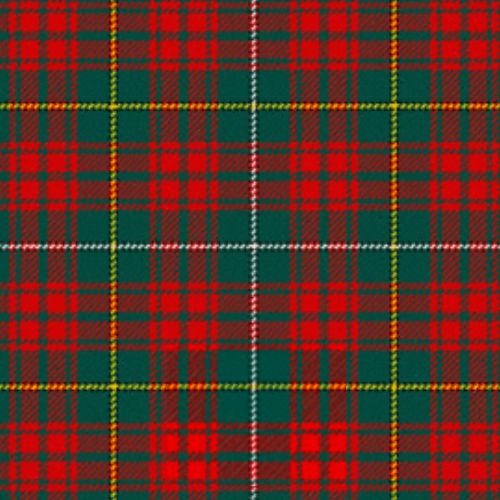
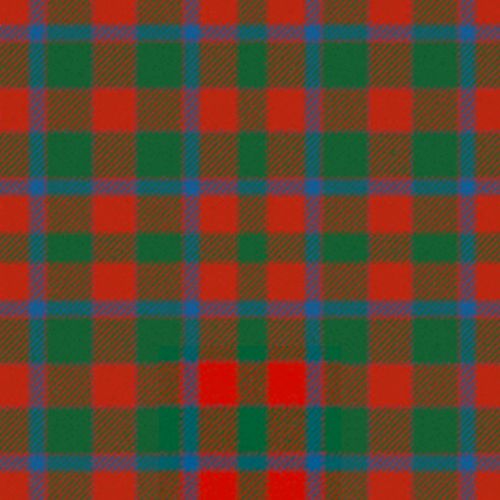
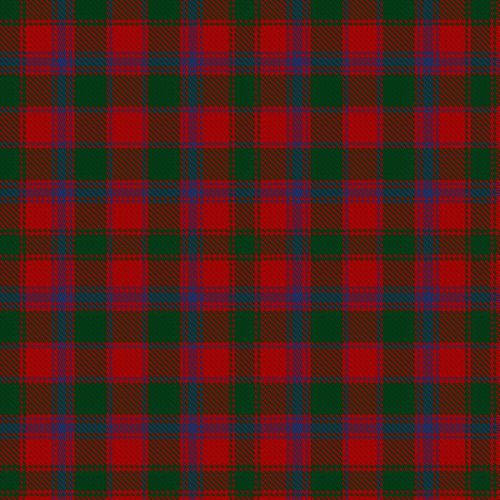
Like all the great Scottish kindreds, Bruce was bound together less by a single bloodline than by allegiance to its chief and its country. Members took the chief's surname, followed his banner in war, and wore his colours — the origin of the tartan tradition that survives in the Bruce setts sold today.
“Fuimus” — We have been.
— the motto of Clan Bruce
Through the Centuries
From its base in Borders & Fife, Clan Bruce shared in the great movements of Scottish history — the wars of independence, the rise and fall of the Stewart kings, the Jacobite risings of the 18th century, and the upheavals that scattered Highland and Lowland families alike across the globe. The family seat at Broomhall remains a focus of Bruce heritage.
The Dress Act of 1746 banned Highland dress for a generation, and the Clearances that followed drove many Scottish families overseas. Yet the Bruce identity survived — carried in names, in records, and in the cloth. The clan is led today by its chief, Andrew Bruce, recognised by the Lord Lyon as head of the name.
Today the Bruce tartan is worn at weddings, gatherings, Highland games and Burns Night celebrations from Scotland to North America, Australia and New Zealand — a living link between the modern family and its Scottish origins.